
When you shop at Key Food Hollywood, you are trusting more than your grocery list. You trust the cold chain on your dairy, the handling of your deli foods, the cleanliness of the equipment that touches your produce, and the standards behind every display.
In South Florida, those standards matter more than people realize. Heat and humidity can shorten freshness fast. High foot traffic can turn small hygiene gaps into bigger risks. That is why food safety in Hollywood shoppers expect is not one policy. It is a system that runs all day.
This guide breaks down how a grocery store in Hollywood residents can manage food safety and quality control, including what happens behind the scenes and the routines that separate quality grocery stores from the ones that cut corners.
Grocery stores in Florida are regulated, not self-policed
Retail food establishments such as grocery stores in Florida operate under the Florida Department of Agriculture and Consumer Services (FDACS) Retail Food Program, including permitting and oversight.
Many day-to-day best practices also align with the FDA Food Code, which the FDA describes as a model for safe food handling practices in retail settings to reduce foodborne illness risk.
The point is simple: the best stores do not “wing it.” They build routines around standards and keep them consistent.
1) Receiving is the first quality checkpoint
Food safety starts before a product ever reaches the shelf.
When deliveries arrive, quality grocery stores focus on:
Condition checks
Packaging tells you if something is wrong. Torn seals, crushed cartons, leaking trays, or damaged labels can signal contamination or temperature issues. Strong stores flag problems immediately instead of trying to “make it work.”
Temperature checks
Cold and frozen products only stay safe if the cold chain stays intact. Stores commonly verify temperatures on higher-risk categories like meat, dairy, frozen products, and prepared foods before they go into storage.
Rotation built in from the start
“First in, first out” is not optional. If new shipments get stocked in front of older inventory, expired product becomes more likely, and quality drops even when the store is busy.
2) Temperature control is the backbone of grocery hygiene in Florida
Florida heat makes refrigeration discipline non-negotiable.
A store can look spotless and still fail customers if cases run warm, doors are left open during stocking, or chilled items sit out too long.
What strong stores monitor all day
- Cooler and freezer temperatures staying stable
- Quick restocking practices for cold products
- Tight handling for deli and prepared foods
- Identifying warm zones and gasket issues early
- Maintenance response when equipment performance changes
Florida sanitation rules for retail food establishments include expectations that fixtures, ducts, and pipes do not drip or create condensate that could contaminate food or food-contact surfaces, which becomes especially important in a humid climate.
3) Cross-contamination prevention is where quality grocery stores stand out
Cross-contamination is not only a restaurant issue. Grocery stores handle raw meat, seafood, produce, bakery, deli, and ready-to-eat foods all under one roof.
The FDA Food Code is used as a model because consistent safe handling practices reduce risk in retail food environments.
What quality control looks like in daily operations
Separated tools and zones
Raw proteins and ready-to-eat foods should not share prep tools or surfaces. Separation is a system, not a suggestion.
Sanitizing schedules that match the department
A slicer, a grinder, and a prep table need cleaning that repeats throughout the day, not just at closing.
Storage rules that reduce drip risk
Cold storage must prevent raw product drips from contaminating ready-to-eat foods. That takes discipline, especially during rush stocking.
Handwashing and glove discipline
Gloves do not replace handwashing. And gloves only help if they are changed at the right moments.
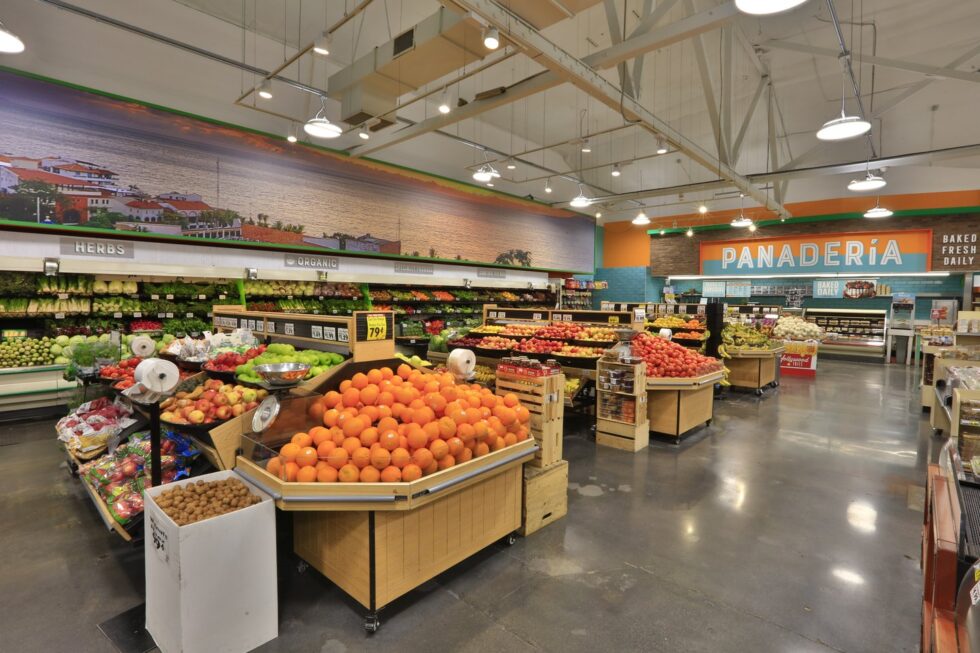
4) Produce freshness is protected through constant quality checks
Florida humidity can turn “fine today” into “soft tomorrow.”
That is why produce quality is maintained through:
- Frequent culling of damaged or moldy items
- Rotation so older product sells first
- Careful handling to reduce bruising
- Backroom storage practices that protect freshness before the floor
If you notice a store that always has better-looking produce, it is rarely an accident. It is usually routine.
5) Deli, meat, and seafood departments need the tightest controls
These departments carry the highest risk because they involve raw proteins, higher handling volume, and more equipment.
Meat and seafood quality control usually depends on
- Stable cold holding in displays
- Clean packaging and leak prevention
- Strict rotation and labeling discipline
- Frequent sanitation of prep tools and surfaces
Deli quality control is driven by
- Time and temperature control
- Slicer and equipment sanitation
- Clean workflow even during peak hours
These are the departments where “it looks okay” is not enough. Systems matter.
6) Cleaning is a day-long schedule, not a nightly reset
Grocery hygiene works when cleaning is built into the day.
Florida retail food sanitation rules include expectations tied to facility maintenance and preventing contamination risks like drips and condensate.
Quality-focused stores typically maintain:
- Scheduled sanitation of food-contact surfaces
- Fast spill and leak response
- Cleaning routines for carts, checkout touchpoints, and high-traffic zones
- Trash control that reduces odor and pest pressure in Florida heat
- Attention to “ignored areas” like cooler edges and corners
7) Quality control is reinforced through training and accountability
A store cannot rely on one careful employee.
Strong quality grocery stores often use:
- Temperature logs and routine equipment checks
- Cleaning schedules with accountability
- Receiving documentation for damaged loads
- Department-specific training
- Corrective actions when something is off
The FDA Food Code’s role as a model for retail food safety reinforces why consistent routines matter across daily operations.
What shoppers can look for inside Key Food Hollywood
You cannot see every behind-the-scenes system, but you can spot the signals.
Signs of a quality-focused grocery store Hollywood shoppers trust
- Cold cases feel consistently cold without warm spots
- Produce is rotated and culled, not left with visible decay mixed in
- Deli and meat departments feel controlled, not chaotic
- Packaging in meat/seafood cases looks clean and dry
- Cooler edges, corners, and under-displays look maintained
Those details usually reflect stronger back-end routines too.
Shop Key Food Hollywood for freshness and standards you can trust
Food safety and quality control are not one-time efforts. They are daily routines that protect what you bring home, from receiving checks to cold chain discipline to clean equipment and consistent rotation.
If you want a grocery store in Hollywood residents count on for fresher departments, cleaner handling, and stronger everyday standards, shop Key Food Hollywood and feel the difference in every aisle.
FAQs
1) Who regulates grocery stores in Florida?
Retail food establishments like grocery stores operate under FDACS and its Retail Food Program, including permitting and oversight.
2) What food safety Hollywood shoppers should expect to include?
Consistent temperature control, cross-contamination prevention, clean equipment routines, safe storage rules, and staff workflows that keep high-risk departments controlled and sanitary.
3) What is the FDA Food Code and why does it matter for grocery hygiene Florida practices?
The FDA Food Code is a model of best practices for safe food handling in retail settings to reduce foodborne illness risk.
4) Why is temperature control such a big deal in Florida grocery stores?
Heat and humidity shorten freshness and increase risk when cold chain discipline slips. Strong stores monitor refrigeration and stocking practices closely.
5) What departments require the strictest quality control?
Deli, meat, and seafood. These areas involve more handling and higher-risk foods, which means stronger time/temperature control and equipment sanitation.
6) How do stores manage condensation risks around food?
Florida sanitation rules include expectations that pipes, ducts, and fixtures do not drip or create condensate that could contaminate food or food-contact surfaces.
7) How do quality grocery stores keep produce fresher longer?
Through rotation, frequent culling, careful handling, and strong backroom storage discipline, especially important in Florida humidity.
8) How can I tell if a grocery store in a Hollywood location takes quality seriously?
Look for consistent cold cases, organized high-risk departments, fresh produce rotation, clean packaging in displays, and maintained “ignored areas” like cooler edges and corners. These visible signals often reflect stronger systems behind the scenes.