
Food trends used to take years to show up in a neighbourhood grocery store. Now they can show up in weeks.
A new “must-have” snack goes viral. A health shift changes what people put in their carts. One ingredient pops up on every label. Then suddenly, shoppers walk into Hollywood grocery stores looking for it like it has always been there.
For a local grocery store in Hollywood families rely on, adapting is not about chasing hype. It is about staying useful. If customers are buying more high-protein snacks, the store has to stock the right options. If convenience is rising, the store has to expand ready-to-eat and pre-prepped choices. If clean-label demand grows, the store has to make it easier to find products people feel good about.
This blog breaks down how Key Food Hollywood adapts to changing food trends Florida shoppers are driving, how trending grocery items actually make it to the shelf, and how a neighbourhood store keeps up without losing the basics people count on every week.
1) First, stores track what shoppers are actually changing, not what the internet is talking about
The biggest mistake stores can make is assuming trends are universal. They are not.
Hollywood is diverse. Households shop for different cuisines, budgets, and health priorities in the same day. So the “trend” that matters most is what customers are buying, asking for, and substituting.
What stores pay attention to:
- What sells out faster than expected
- What sits on the shelf longer than normal
- What shoppers ask staff for repeatedly
- What customers switch to when a product is out
- What new dietary needs show up (higher protein, lower sugar, more fibre, less processed)
This is also why you can see two trends happening at once: customers may want healthier, cleaner-label products, while still demanding value and convenience. Food industry coverage notes that shoppers are pushing for health and less processed options, while still wanting convenience, indulgence, and value.
2) Food trends in Florida often show up as “health + convenience” in the cart
A lot of grocery trends look different when you see them in a real shopping trip.
Instead of “I am on a health kick,” you see:
- Grab-and-go high protein options
- Smaller portion meals
- Snacks that replace meals
- Added fibre and functional ingredients
- Hydration and wellness drinks that feel practical, not niche
Recent industry reporting points to GLP-1 medications shaping food retail behaviour, pushing demand toward higher-protein, higher-fibre, nutrient-dense products and smaller portions.
For a local store, that translates into decisions like:
- Expanding protein-forward snacks and ready meals
- Stocking more high-fibre bars, cereals, and pantry items
- Offering more “quick meal” solutions that still feel nutritious
- Giving customers more options in smaller sizes, not only bulk packs
3) “Trending grocery items” usually enter the store in a few predictable categories
When something starts trending, it rarely lands everywhere at once. It usually shows up first in a category where customers are already open to trying new items.
Common trend categories in grocery:
- Ready-to-drink beverages (hydration, functional drinks, tea alternatives)
- Protein snacks and bars
- Frozen convenience meals
- Sauces, spice blends, and global flavour kits
- Better-for-you desserts and treats
- Fresh-cut produce and meal-prep produce
Whole Foods’ annual trends reporting has highlighted areas like ready-to-drink hydration beverages and texture-driven “crunch” trends, which often spill into mainstream grocery over time.
Produce industry reporting also points to rising demand for fresh-cut and pre-prepped produce driven by health and convenience.
So when customers ask, “Why does every store suddenly have this?” it is usually because these categories are where trend adoption is fastest.
4) Stores adapt by testing small before they scale big
A smart neighbourhood grocery store does not overhaul a whole aisle overnight. It tests.
How that looks in real life:
- Bringing in a limited run of a trending item
- Giving it a good shelf position for a short window
- Watching whether it sells consistently, not just once
- Checking whether it brings repeat buyers
- Expanding only when demand holds
This is how a store avoids filling shelves with one-hit wonders while still staying current.
It is also how stores protect the essentials. People still need eggs, rice, oil, bread, produce, and school lunch basics. A trend cannot push out the products households rely on weekly.
5) Hollywood grocery stores adapt by leaning into global flavours, because the city demands it
Hollywood is not a one-cuisine market. People cook across cultures.
That means global trends can become everyday demand faster here than in other cities. The “trend” may not be new to customers. It may just be harder to find consistently.
Examples of what this can affect:
- More international sauces and spice blends
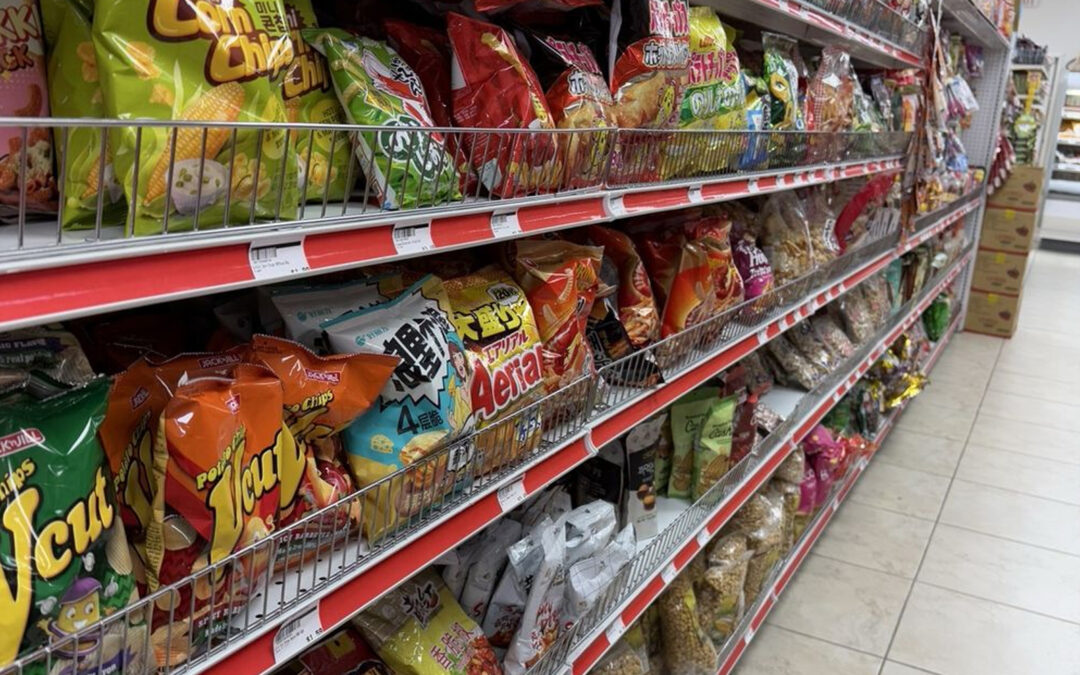
- More snack items inspired by global flavours
- More variety in noodles, grains, and pantry staples
- More ready-to-eat options that fit diverse tastes
Whole Foods trend reporting has also emphasized global and international snacking patterns, showing how global flavours continue to shape grocery trends.
6) Value becomes a “trend” when budgets tighten
Not every trend is about ingredients. Some are about economics.
When shoppers feel price pressure, they change habits:
- Switching from premium to store brands
- Buying fewer “extras”
- Choosing items that stretch into multiple meals
- Watching price per unit more closely
So “adapting to trends” also means:
- Improving value options in popular categories
- Balancing premium items with affordable alternatives
- Running promotions that match what people actually buy, not random discounts
This is one reason health and value trends often run together. Customers want better options, but they want them at a price that makes weekly shopping realistic.
7) Clean label and “less processed” is not a niche request anymore
Shoppers are paying closer attention to ingredient lists, dyes, and “what is actually in this.”
Food industry coverage notes increasing consumer interest in health and clean-label options that appear less processed, even while convenience remains important.
How stores respond without making shopping harder:
- Expanding product lines that have simpler ingredient lists
- Making it easier to find specific diet-friendly options
- Improving shelf organisation so customers are not guessing
- Adding more grab-and-go products that still feel “cleaner”
The goal is not to turn grocery shopping into a research project. It is to make good choices easier to find.
8) Convenience grows through fresh-cut, meal prep, and faster solutions
In busy households, convenience is not laziness. It is time management.
Produce industry research points to ongoing growth opportunities in fresh-cut, pre-prepped, and convenience formats aligned with health and time-saving needs.
For Hollywood grocery stores, that often means:
- More pre-cut fruit and vegetables
- More salad kits and ready-to-cook produce
- More quick proteins and prepared sides
- Better “tonight’s dinner” solutions that do not require a long plan
This is one of the clearest ways stores adapt to trends because it responds to how people live, not just what they crave.
What this looks like at Key Food Hollywood
At Key Food Hollywood, adapting to trends is about staying aligned with what local households actually buy and cook with.
That means:
- Bringing in trending grocery items in categories where customers want variety
- Expanding health-forward and convenience options without sacrificing staples
- Keeping international and multicultural favourites easier to find
- Balancing newer products with strong value choices for weekly shopping
Because the best “trend adaptation” does not feel like a trend chase. It feels like the store understands what customers need right now.
Shop Key Food Hollywood for the staples you rely on, plus the new items everyone’s asking for
Food trends Florida shoppers follow change quickly, but your grocery store should not make shopping feel unpredictable. If you want a place that keeps the basics consistent, adds trending grocery items with intention, and makes it easier to shop for how your household eats today, visit Key Food Hollywood and see what’s new in the aisles this week.
FAQs
1) What are the biggest food trends Florida shoppers are driving right now?
Health-forward choices, clean-label interest, convenience foods, and protein and fibre-focused items are major drivers. Industry coverage also points to shoppers wanting health while still prioritising value and convenience.
2) Why are high-protein and high-fibre items showing up more in grocery stores?
Because many shoppers are prioritising satiety, nutrition, and simpler meal solutions. Reporting also notes GLP-1 medications influencing demand for nutrient-dense, high-protein and high-fibre products and smaller portions.
3) How do Hollywood grocery stores decide what trending grocery items to stock?
They watch what customers ask for and what sells consistently, then test products in smaller runs before expanding shelf space. The goal is repeat demand, not one-time hype.
4) Are clean-label products replacing convenience foods?
Not really. Many shoppers want both. Food industry reporting highlights demand for less processed, cleaner-label options while convenience remains important.
5) Why is fresh-cut produce becoming more common?
Because customers want time-saving options that still support health. Produce industry research points to demand for fresh-cut and pre-prepped formats driven by health and convenience.
6) Do global flavours count as “food trends” in Hollywood?
Yes, but in Hollywood they often move from trend to everyday demand fast because households cook across many cuisines. Trend reporting also notes international flavours continuing to shape grocery buying patterns.
7) How do grocery stores keep up with trends without losing everyday essentials?
By testing new items in controlled amounts, tracking repeat purchases, and protecting shelf space for staples that households buy weekly.
8) How can I find new and trending items faster at Key Food Hollywood?
Check endcaps, seasonal features, and new product sections, and ask staff what recently came in. Stores often place new items where they are easy to spot during a normal shopping trip.