
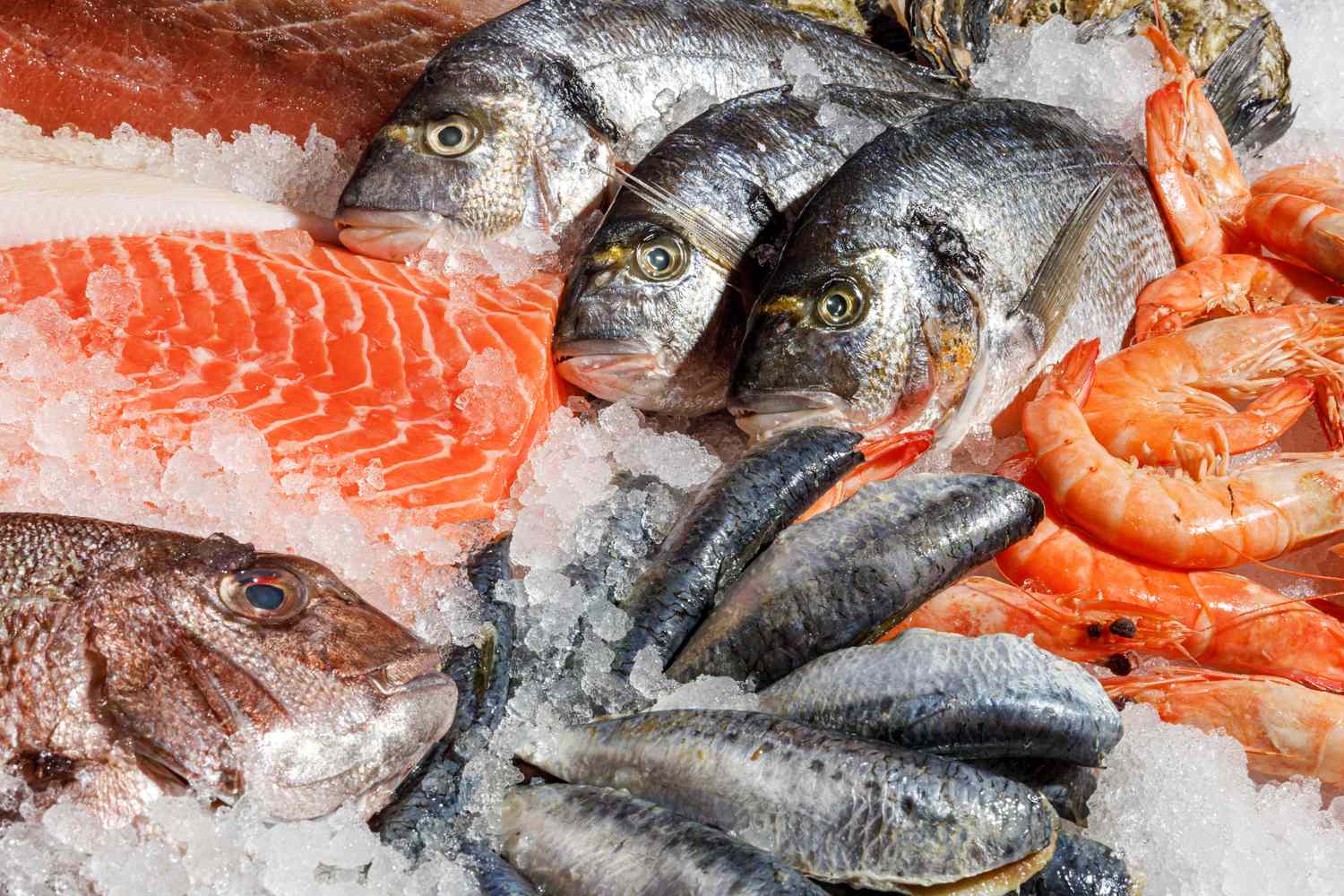
Most people who love seafood have had the same frustrating experience at least once.
You bought fish with good intentions, stored it carefully, and then life got busy. By the time you were ready to cook, something was off. The texture felt wrong. The smell was stronger than expected. The meal you were looking forward to just did not come together the way you hoped.
It is a common problem, and the fix is simpler than most people expect. Buying fresh fish more strategically, based on how long it actually stays at its best, makes a bigger difference than almost any cooking technique or recipe tip.
This guide breaks down the seafood freshness timeline, how long different types of fish last after purchase, and how to build smarter local fish market habits that keep your meals tasting the way they should.
Why Buying Frequency Matters More Than Most Shoppers Realize
When it comes to seafood, timing is everything.
Fish is one of the most perishable proteins you can buy. Unlike chicken or beef, which can hold well for several days under proper refrigeration, most fresh fish starts declining in quality within 24 to 48 hours of purchase. That window is even shorter in warm and humid climates like South Florida, where temperature and air quality can accelerate spoilage faster than most people expect.
This is why buying habits matter so much when you are shopping at a fish market in Hollywood, FL. The frequency with which you shop directly affects the quality of what ends up on your plate. Buying fish twice a week, planned around when you intend to cook it, almost always produces better results than buying a large amount once a week and hoping it holds.
The Seafood Freshness Timeline: What You Need to Know
Understanding how long fish lasts after purchase helps you plan smarter.
Lean white fish such as snapper, grouper, tilapia, and flounder typically stay fresh for one to two days when properly refrigerated. These are best bought the day you plan to cook them or the night before at the latest.
Oily fish such as salmon, mackerel, and tuna hold slightly better but still peak within two days of purchase. After that, the flavor becomes stronger and the texture less appealing.
Shrimp lasts a bit longer, usually two to three days in the refrigerator when kept properly chilled. Because shrimp is versatile and cooks quickly, it is a good option to buy a couple of days in advance if your schedule is unpredictable.
Shellfish such as clams and mussels are the most time-sensitive of all. They are best bought the same day you plan to eat them, ideally from a market with strong turnover so you know they have not been sitting long.
Knowing these windows helps you match your shopping schedule to your cooking schedule, which is one of the most practical buying fresh seafood tips you can apply consistently.
How Florida’s Climate Affects Your Storage Timeline
Seafood storage in Florida comes with its own set of considerations that shoppers in cooler climates may not think about.
South Florida’s heat and humidity mean that any lapse in the cold chain, whether during your drive home, in a warm refrigerator, or on a counter left too long, speeds up spoilage significantly. What might last two full days in a cooler region could start turning within one day here if storage is not handled carefully.
A few practical habits help protect freshness after you leave the market:
Bring a cooler or insulated bag with you when shopping, especially during summer months. Place fish in the coldest part of your refrigerator, typically the back of the bottom shelf, not the door. Keep fish tightly wrapped and away from other foods to prevent cross-contamination. Cook or freeze fish within the freshness window rather than pushing it to the last possible moment.
These habits are especially important in Hollywood, FL, where warm temperatures make careful handling a non-negotiable part of buying seafood well.
The Case for Shopping More Often and Buying Less at a Time
Many shoppers default to doing one big grocery run per week because it feels efficient. With most groceries, that approach works fine. With fresh fish, it tends to backfire.
Buying a large amount of fish on one day and expecting it to stay fresh through multiple meals later in the week usually leads to disappointment. Either the fish gets cooked before you are ready for it, or it sits too long and the quality drops.
A better approach is to buy smaller amounts more frequently. If you eat fish two or three times a week, consider stopping at a local fish market in Hollywood, FL on two separate days rather than buying everything at once. This keeps each purchase close to its intended cook date and gives you more flexibility to choose what looks freshest on any given day.
Building this habit also makes you a more confident seafood shopper over time. When you visit the market regularly, you start to recognize what a good product looks like, which fish are in season, and which options represent the best value on a given week.
What to Look For When You Are Buying
Knowing how often to buy is only half of the equation. Knowing what to look for when you arrive at the market is equally important.
Fresh fish should look bright and moist, not dull or dried out at the edges. The flesh should feel firm when pressed, not soft or leaving an indentation behind. A mild, clean ocean scent is a good sign. A strong or sour odor is not.
The display case should look cold, clean, and well maintained. Ice or refrigeration should be obvious. The seafood should be arranged neatly and appear to have been handled with care throughout the day.
A market with strong turnover, meaning product moves quickly because customers shop there regularly, is usually a reliable indicator of freshness. High volume means the fish you are looking at has likely been there a shorter time than fish sitting in a slower-moving case.
These buying fresh seafood tips apply whether you are shopping for a weeknight dinner or planning a larger meal for family or guests.
Building a Weekly Rhythm That Works
The easiest way to make fresh fish a consistent part of your meals is to plan around your week rather than against it.
Think about which nights you realistically have time to cook. Then plan your fish purchases to land one or two days before those meals at most. If Tuesday and Friday are your typical fish nights, a Sunday and Thursday shopping trip gives you the best window.
This kind of rhythm also makes it easier to take advantage of what looks best at the market on any given day. Instead of committing to a specific fish before you even arrive, you can shop with flexibility and let the freshest options guide your decision.
Over time, regular local fish market habits like these make seafood shopping feel less complicated and more rewarding. You stop second-guessing your purchases and start trusting the process.
Why Buying Local Makes a Difference in Hollywood, FL
Shopping at a local fish market in Hollywood, FL gives you something that packaged supermarket seafood rarely offers: the ability to see and judge the product before you buy it.
You can look at the display, assess the condition of the fish, ask questions if you have them, and make a decision based on what you actually observe rather than what a label tells you. That visibility matters enormously with a product as perishable as seafood.
Local markets also tend to have stronger accountability for freshness. When a store serves the same community week after week, maintaining quality is not just a preference. It is what keeps customers coming back.
This is especially valuable in a climate like South Florida’s, where the combination of warm weather and high seafood demand means freshness standards need to be consistently high to keep shoppers satisfied.
Fresh Fish Shopping Made Easy at Key Food Hollywood
If you are building better seafood shopping habits in Hollywood, FL, having a reliable local market makes the whole process easier.
Key Food Hollywood offers fresh seafood in a convenient neighborhood setting, making it practical to stop in more frequently without it feeling like a major errand. Whether you are picking up fish for a quick weeknight dinner or planning something a little more involved for the weekend, the goal is always the same: seafood that looks good, handles well, and delivers the kind of results that make cooking feel worth it.
When freshness is dependable and the shopping experience is easy, buying fish more often stops feeling like extra effort and starts feeling like the obvious choice.
Stop by Key Food Hollywood and see what is fresh today.
FAQs
How often should you buy fresh fish for the best quality?
Most fresh fish is best bought one to two days before you plan to cook it. Shopping two or three times a week in smaller amounts typically produces better results than one large weekly purchase.
How long does fresh fish last in the refrigerator?
Most lean white fish lasts one to two days. Oily fish like salmon holds for about two days. Shrimp can last two to three days with proper refrigeration. Shellfish is best used the same day it is purchased.
Does Florida’s climate affect how long fish stays fresh?
Yes. Warm temperatures and humidity can speed up spoilage, so careful handling after purchase matters more in South Florida than in cooler regions. Using a cooler for transport and keeping fish in the coldest part of your refrigerator both help.
What should I look for when buying fresh fish?
Look for bright, firm flesh, a mild clean scent, and a cold, well-maintained display case. Avoid fish that looks dull, feels soft, or has a strong odor.
Why is buying seafood locally better than buying packaged fish?
Local markets let you see and assess the product in person before buying, which gives you more confidence in freshness. High-turnover local stores also tend to move product faster, which generally means fresher options.
Is it better to buy less fish more often?
For most households, yes. Buying smaller amounts tied closely to your planned cook dates keeps quality higher and reduces the chance of fish sitting too long before use.