
A lot of shoppers assume fresh seafood is always the better choice.
It sounds better. It feels more premium. And when you are standing at a seafood market in Hollywood, FL, it is easy to think frozen seafood must be the lesser option.
But that is not always true.
In real-world shopping, the better choice often depends on what you are buying, when you plan to cook it, and how well the seafood has been handled before it reaches you. Sometimes fresh is exactly what you want. Sometimes frozen is the smarter buy. And sometimes the difference between “good” and “bad” has less to do with fresh versus frozen and more to do with quality, storage, and timing.
This guide breaks down what shoppers should actually know before choosing between the two.
Fresh Does Not Always Mean “Just Caught”
This is one of the biggest misunderstandings in seafood shopping.
When people hear “fresh,” they often imagine seafood that came straight from the water to the market. Sometimes that happens. Often, it does not.
Fresh seafood in a store usually means it has not been sold to you frozen. That does not always tell you how long it has been since it was caught, or how it was handled along the way.
That matters because freshness is really about condition, not just labels.
If seafood has been properly frozen soon after harvest, it may actually hold quality better than seafood sold as fresh after spending more time in transit or storage. This is why the fresh seafood vs frozen seafood conversation is more nuanced than many people think.
When Fresh Seafood Makes The Most Sense
Fresh seafood is often the better choice when:
- You plan to cook it the same day
- You want to judge the fish in person
- You are buying whole fish or fresh fillets for a specific meal
- The product clearly looks and smells excellent
- You want the texture and appearance that comes with properly handled fresh seafood
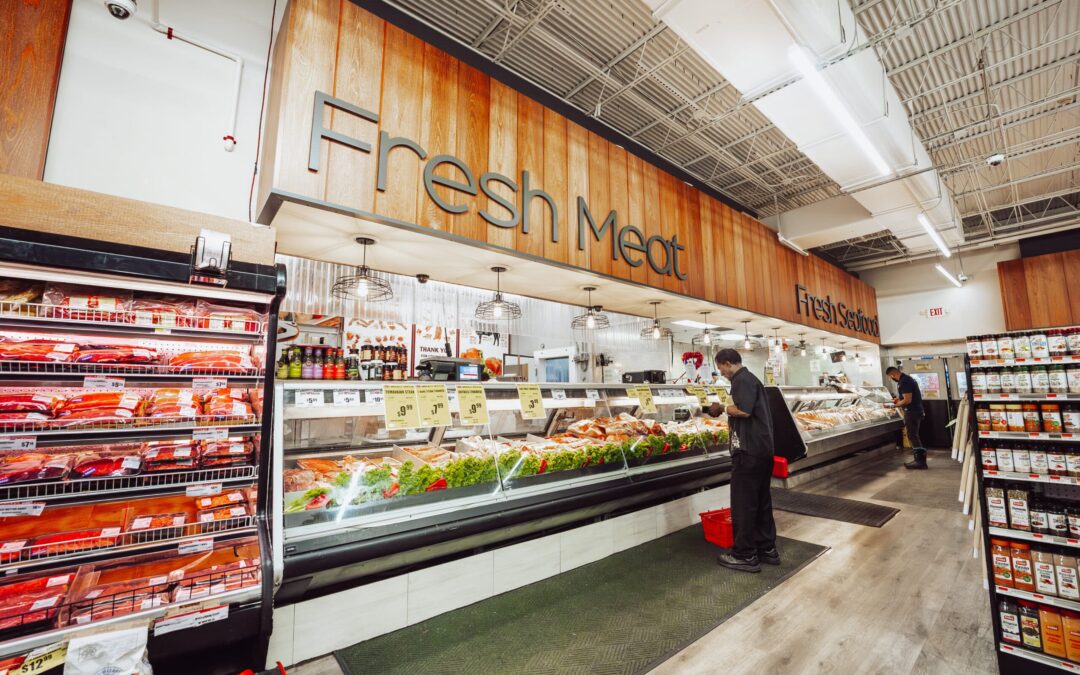
A good fresh seafood department should make the quality easy to see. The fish should look clean, firm, and bright. The case should look cold and well maintained. And the seafood should smell mild, not sharply fishy.
These fish freshness signs matter more than the word “fresh” on its own.
When Frozen Seafood Can Be The Smarter Buy
Frozen seafood can be an excellent option when:
- You are not cooking it right away
- You want a longer storage life
- You need convenience for future meals
- You want portion control
- The frozen product was handled properly and packed well
In some cases, frozen seafood can actually be more reliable for home cooks because it gives you more flexibility. You do not have to rush to cook it the same day, and you can keep it on hand for nights when you need an easy meal option.
This is especially useful for households that like seafood but do not always know exactly when they will cook it. It also pairs well with convenience-focused shopping habits, especially if you already know how to get same-day grocery delivery in Hollywood, FL when you need fresh ingredients without making another trip.
Quality Matters More Than Fresh Or Frozen Alone
The real mistake is assuming one category is automatically superior.
Poor-quality fresh seafood is still poor-quality seafood.
Poorly handled frozen seafood is still poor-quality seafood.
The better question is:
- Does it look properly handled?
- Does it smell clean?
- Does the packaging or display inspire confidence?
- Does it fit when and how I plan to cook it?
That is a much smarter way to use any seafood quality guide than relying on labels alone.
What To Look For In Fresh Seafood
If you are buying fresh seafood, pay attention to:
- Smell: clean and mild, never sour or overpowering
- Texture: firm, not mushy
- Appearance: moist, bright, and well held together
- Display: cold, clean, and well maintained
If you are buying whole fish, also look for:
- Clear eyes
- Shiny skin
- A firm body
These are some of the most useful seafood buying tips in Hollywood, FL, because they help you judge quality quickly and confidently.
What To Look For In Frozen Seafood
Frozen seafood should also be judged carefully.
Look for:
- Solid, well-sealed packaging
- No tears or leaks
- No signs of thawing and refreezing
- No excessive ice crystals inside the package
- Seafood that still looks well shaped and properly packed
If the package looks damaged or the product looks freezer-burned, it is usually better to skip it.
A good frozen option should still look like it was handled with care.
Texture Is One Of The Biggest Differences Shoppers Notice
For some shoppers, the biggest difference between fresh and frozen seafood is texture.
Fresh seafood can feel more delicate and immediate when cooked soon after purchase. Frozen seafood can still taste great, but the final texture may depend heavily on how it was thawed and prepared.
This is why frozen seafood often performs best when:
- It is thawed slowly and properly
- It is not overcooked
- It is used in meals that work well with frozen handling, like soups, pastas, stir-fries, or seasoned dishes
If you know you are making a meal where texture is the star, fresh may be the better fit. If you are planning for convenience and flexibility, frozen often makes more sense.
Storage Can Make Or Break Both Options
How you store seafood after buying it matters just as much as how it was sold.
For fresh seafood:
- Keep it refrigerated immediately
- Cook it as soon as possible
- Avoid leaving it in the car while running errands
- Use it the same day when possible
For frozen seafood:
- Keep it fully frozen until needed
- Thaw it safely
- Do not let it sit out too long
- Avoid refreezing after it has thawed unless it was handled properly for that purpose
These seafood storage tips are often what separate a great seafood meal from a disappointing one.
Hollywood Shoppers Should Think About Real-Life Cooking Habits
The best choice often depends on your actual routine.
Choose fresh when:
- You are cooking soon
- You want to inspect quality in person
- The meal depends on that “just bought” texture
Choose frozen when:
- You want convenience
- You are stocking up
- You may not cook it right away
- You want seafood ready to go on a busy night
The smartest shoppers do not force one answer every time. They buy based on the meal, the timing, and the condition of the product in front of them.
Fresh And Frozen Both Have A Place In Smart Seafood Shopping
This does not have to be an either-or decision.
A lot of households do best when they use both:
- Fresh seafood for planned meals and special dinners
- Frozen seafood for flexible weekly cooking and backup meal options
That way, you can enjoy the best of both without feeling like you need to choose one category forever.
Better Seafood Choices Start With Better Questions
The real goal is not to prove fresh is better or frozen is better.
The real goal is to ask:
- What looks best today?
- What fits my dinner plan?
- What will I realistically cook in time?
- Which option feels like the better value for this meal?
That mindset leads to better shopping decisions every time.
Shop With More Confidence At A Seafood Market In Hollywood, FL
Whether you choose fresh or frozen, the best seafood shopping experience is the one that makes quality easier to spot and easier to trust.
If you are looking for a dependable seafood market in Hollywood, FL, Key Food Hollywood offers seafood options that make it easier to shop with confidence, choose what fits your meal, and bring home seafood that feels worth cooking. That is one reason shoppers also look for grocery stores in Hollywood, Florida where they can get fresh groceries without the high prices, especially when they want seafood quality and everyday value in the same trip.
FAQs
Is Fresh Seafood Always Better Than Frozen Seafood?
No. Fresh seafood can be excellent, but frozen seafood can also be a great choice when it has been handled properly and you are not cooking it right away. Quality and storage matter more than the label alone.
What Is The Difference Between Fresh Seafood Vs Frozen Seafood?
Fresh seafood is sold unfrozen and is often best when cooked soon after purchase. Frozen seafood offers longer storage life and more convenience, and can still be high quality when handled properly.
What Are The Most Important Fish Freshness Signs?
Look for a clean smell, firm texture, bright appearance, and a cold, well-maintained display. Whole fish should also have clear eyes and shiny skin.
What Should I Check Before Buying Frozen Seafood?
Check the packaging for tears, leaks, excessive ice crystals, or signs of thawing and refreezing. Frozen seafood should still look well packed and properly stored.
Are There Good Seafood Buying Tips In Hollywood, FL For First-Time Shoppers?
Yes. Start with smell, texture, and appearance. Buy from a seafood department that looks clean and well managed, and choose based on when you plan to cook the seafood.
Does Frozen Seafood Last Longer Than Fresh Seafood?
Yes. Frozen seafood is usually the better choice for longer storage, while fresh seafood is best for meals you plan to cook very soon.
What Are The Best Seafood Storage Tips After Buying?
Fresh seafood should be refrigerated right away and cooked as soon as possible. Frozen seafood should stay frozen until needed and be thawed properly before cooking.
What Should A Good Seafood Quality Guide Focus On?
It should focus on condition, smell, texture, handling, and storage, not just whether the seafood is labeled fresh or frozen.