
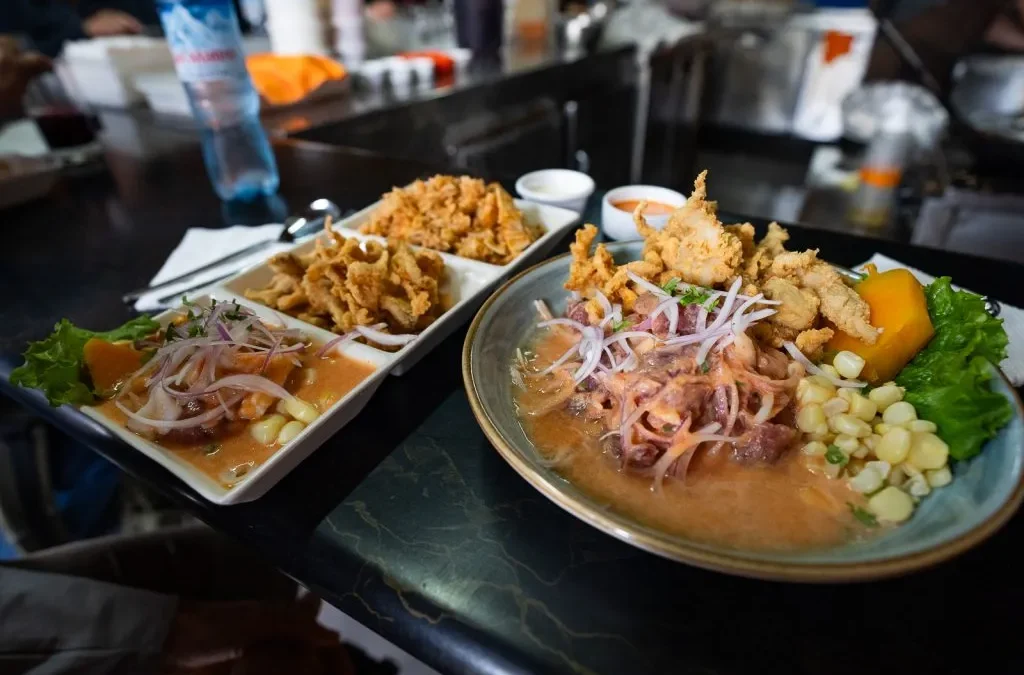
You may know the dish you want to make, perhaps lomo saltado, causa, ají de gallina, papa a la huancaína, or chicha morada, but recreating the flavor you remember can become difficult once you start shopping. Substituting an ordinary hot pepper for ají amarillo, leaving botija olives out of a recipe, or buying the wrong type of corn can change more than one small detail.
Peruvian cooking depends on ingredients with distinct flavors, textures, and uses. Some provide heat, others add sweetness or earthiness, and ingredients such as purple corn or cancha cannot always be replaced by the varieties commonly found in a standard American pantry. Even products with similar names may serve completely different purposes.
That means stocking a Peruvian pantry is not simply a matter of collecting unfamiliar packages. Buying ingredients without knowing how they are traditionally used can leave you with products sitting untouched in the cupboard, while making too many substitutions can produce a dish that tastes nothing like the one you wanted to recreate.
Knowing which Peruvian products are worth keeping on hand, what each one contributes, and which dishes they belong in makes it much easier to bring the flavors of Peru into your own kitchen.
Start With the Peppers That Shape Peruvian Cooking
Few pantry ingredients demonstrate the character of Peruvian cooking as clearly as its ají peppers. They do more than make food hot. Different varieties bring their own color, aroma, sweetness, smokiness, and intensity.
Ají Amarillo
Ají amarillo is one of the most useful ingredients to buy if you plan to cook Peruvian food regularly.
Despite its name, the pepper often develops an orange-yellow color when mature. Its flavor has fruitiness as well as heat, which is why it appears in dishes where simply adding a generic chile would not create the same result.
Peru Travel recipes use ají amarillo in dishes ranging from ají de gallina and causa to tiradito and quinoa preparations.
For home cooking, jarred ají amarillo paste can be especially practical. You can use it in sauces, marinades, soups, rice dishes, and creamy preparations without having to find fresh peppers every time.
Key Food Hollywood currently lists Tradiciones Andinas yellow pepper paste among its Peruvian products.
Ají Panca
Ají panca plays a different role. It is generally valued for a deeper, milder, slightly smoky and fruity character rather than aggressive heat.
It works particularly well in marinades and cooked sauces, including preparations for meats and anticuchos. Keeping both ají amarillo and ají panca in your pantry gives you more flexibility than trying to make one pepper paste perform every job.
Key Food Hollywood’s current Peruvian selection includes both ají panca paste and packaged ají panca.

Purple Corn Is for More Than Its Color
A bag of dark purple corn may be one of the more unusual-looking Peruvian products if you did not grow up using it.
Its best-known use is chicha morada, the traditional Peruvian purple corn beverage. Peru Travel includes chicha morada among the traditional drinks associated with Lima’s cuisine.
To make it at home, purple corn is generally simmered in water with aromatic ingredients. Recipes vary, but pineapple peel, cinnamon, cloves, citrus, and sugar frequently appear. The liquid is strained and chilled before serving.
Purple corn also appears in mazamorra morada, a thick purple dessert traditionally associated with Peruvian cuisine.
If you want the flavor and preparation experience rather than simply a ready-made beverage, dried maíz morado is the ingredient to look for. Key Food Hollywood currently lists Peru Chef and Tradiciones Andinas purple corn, as well as prepared chicha morada beverages.
That gives you the choice between making the drink yourself or reaching for something ready to serve.
Cancha and Chulpe Corn Add the Crunch
Not all Peruvian corn belongs in a beverage or stew.
Maíz chulpe, commonly prepared as cancha, produces the crunchy toasted corn often served as a snack or alongside Peruvian dishes. It does not behave like popcorn. Instead of bursting into large fluffy pieces, the kernels toast and become crisp.
Cancha can be served simply with salt or placed on the table alongside foods such as ceviche.
This is one of those ingredients where choosing the right product matters. Ordinary canned sweet corn will not create the same snack, and standard popcorn kernels give you an entirely different result.
Key Food Hollywood currently lists Peru Chef maíz chulpe and Belmont corn for preparing toasted corn snacks.
Keep Canary Beans for Tacu Tacu and Everyday Meals
Beans may look less distinctive than colorful peppers or purple corn, but they are an important part of Peruvian home cooking.
Canary beans, or frejoles canarios, have a creamy texture and mild flavor that works well in hearty meals. One of their best-known uses is tacu tacu, where cooked beans and rice are combined, seasoned, and browned.
Peru Travel’s traditional tacu tacu recipe uses canary beans together with cooked rice, onion, garlic, and ají amarillo.
That makes canary beans particularly useful if you frequently have leftover rice. Instead of treating the leftovers as separate side dishes, you can turn them into another meal.
Key Food Hollywood currently lists both Belmont and Peru Chef canary beans in its Peruvian section.
Botija Olives Bring a Distinctive Savory Flavor
A recipe may call for “black olives,” but that does not always mean every black olive will taste the same.
Botija olives are strongly associated with Peruvian cooking and have a rich, salty flavor. They can appear as garnishes, in fillings, and alongside traditional dishes.
For example, Peru Travel’s ají de gallina recipe is served with botija olives, potatoes, and hard-boiled eggs. Causa recipes also commonly include olives as part of the filling or garnish.
If a traditional Peruvian recipe specifically calls for botija olives, using them can make a noticeable difference compared with a milder canned olive.
Current products at Key Food Hollywood include botija olives from Tradiciones Andinas, Peru Chef, and Belmont.
Quinoa Can Move Beyond the Side-Dish Bowl
Quinoa has become common in American supermarkets, but its connection to the Andes goes back much further than its modern reputation as a health food.
PROMPERÚ describes quinoa as an ancient crop associated with the Lake Titicaca region and notes its long history in Peruvian food traditions.
You can certainly serve quinoa simply as a grain, but Peruvian-inspired cooking gives you more options.
It can go into soups and stews, salads, croquettes, and contemporary dishes combining traditional ingredients with newer techniques. Peru Travel, for example, features quinoa paired with ají amarillo in several recipes.
If you bought quinoa for one recipe and have half a bag left, that versatility makes it easier to use than a highly specialized pantry ingredient.
Key Food Hollywood currently lists Belmont quinoa in its Peruvian product selection.
Huancaína Sauce Can Turn Simple Potatoes Into a Peruvian Favorite
Some of the most recognizable Peruvian dishes begin with ingredients that seem extremely ordinary.
Papa a la huancaína starts with boiled potatoes, but the sauce transforms them. Traditional versions combine ají amarillo with cheese, milk, and seasonings to create a creamy yellow sauce. Peru Travel describes the dish as boiled potatoes served with a smooth ají amarillo-based cream.
You can prepare huancaína sauce yourself when you have the ingredients, or keep a prepared sauce available when you want a quicker option.
Key Food Hollywood currently lists prepared huancaína products from Alacena and Walibi.
Prepared sauce can also be useful beyond potatoes. Depending on your preferences, it can accompany vegetables, chicken, sandwiches, or other dishes where you want a creamy ají amarillo flavor.
Soy Sauce Has a Place in Peruvian Cooking Too
Soy sauce might not be the first ingredient you associate with Peru, but its presence helps tell an important part of Peruvian culinary history.
Chinese migration contributed to the development of chifa, a Chinese-Peruvian culinary tradition. That influence can be seen clearly in dishes such as arroz chaufa and lomo saltado.
Peru Travel describes lomo saltado as a dish combining meat, onion, tomato, peppers, potatoes, and soy sauce, while arroz chaufa uses fried rice and soy sauce.
So if you are stocking a pantry for Peruvian cooking, soy sauce is not necessarily an imported afterthought. It is part of recipes that have become firmly embedded in Peru’s food culture.
Do Not Forget Peruvian Snacks and Sweets
A Peruvian pantry does not need to exist only for cooking full meals.
Cookies, chocolates, crackers, and sweets can be an easier introduction to familiar brands and flavors, especially if you are shopping for someone who grew up with them.
Key Food Hollywood’s current Peruvian selection includes products such as Morochas, Field Cua Cua, Doña Pepa cookies, Field soda crackers, Coronita cookies, and other packaged sweets and snacks.
These products can also help round out a gathering where you are serving Peruvian food. Not every item on the table needs a recipe.
Build Your Peruvian Pantry Around the Dishes You Actually Cook
The easiest mistake when discovering a large international grocery section is buying one of everything.
A better approach is to begin with two or three dishes.
If you want to make ají de gallina, start with ají amarillo and botija olives. For tacu tacu, add canary beans. If chicha morada is your goal, buy purple corn. For papa a la huancaína, ají amarillo paste or prepared huancaína sauce belongs near the top of the list.
Once those ingredients become familiar, you can expand into cancha, ají panca, quinoa, sauces, drinks, cookies, and other foods.
Key Food Hollywood in Hollywood, Florida currently carries a dedicated selection of Peruvian groceries covering many of these pantry staples, sauces, beverages, grains, beans, olives, snacks, and seasonings. Product availability can change, so check current stock when you are shopping for a specific brand or package size.
Bringing Peruvian flavor into your kitchen does not require mastering the entire cuisine at once. Start with the dish you want to eat, learn what its key ingredients actually do, and build your pantry from there. The right few Peruvian products can open the door to far more recipes than their packages might suggest.
Frequently Asked Questions About Peruvian Products
What are good Peruvian products to keep in your pantry?
Ají amarillo paste, ají panca paste, purple corn, canary beans, quinoa, botija olives, maíz chulpe, and soy sauce can cover a wide range of dishes. The best choices depend on what you plan to cook.
What is ají amarillo used for?
Ají amarillo appears in dishes such as causa, ají de gallina, sauces, soups, seafood preparations, and marinades. It contributes both flavor and heat rather than acting only as a spicy ingredient.
Is ají panca the same as ají amarillo?
No. They are different peppers with different flavor profiles. Ají amarillo is brighter and fruitier, while ají panca generally provides a deeper, milder flavor that works especially well in marinades and cooked sauces.
What is Peruvian purple corn used for?
Purple corn, or maíz morado, is most famously used to prepare chicha morada. It can also be used in mazamorra morada and other preparations.
What is cancha?
Cancha is toasted Peruvian corn, commonly made with chulpe corn. The kernels become crunchy rather than expanding like conventional popcorn.
What are canary beans used for in Peruvian cooking?
Canary beans can be eaten as a side dish or used in preparations such as tacu tacu, where cooked beans and rice are seasoned and browned together.
What are botija olives?
Botija olives are dark Peruvian olives known for a rich, savory flavor. They appear in dishes and garnishes such as ají de gallina and causa.
What ingredients do I need for papa a la huancaína?
Recipes vary, but the sauce generally includes ají amarillo, cheese, milk or another dairy component, oil, and seasonings. It is traditionally served over boiled potatoes, often with egg and olives.
What Peruvian products can I buy if I do not cook?
Ready-to-drink chicha morada, cookies, chocolates, crackers, prepared huancaína sauce, canned seafood, and other packaged snacks allow you to explore Peruvian foods without preparing an entire recipe.
Is quinoa traditionally Peruvian?
Quinoa has deep roots in the Andean region and has been cultivated in Peru for thousands of years. It continues to be used in both traditional and contemporary Peruvian cooking.
Where can I find Peruvian products in Hollywood, Florida?
Key Food Hollywood currently maintains a Peruvian product selection that includes peppers and pastes, purple corn, beans, quinoa, olives, sauces, beverages, canned seafood, cookies, and other products. Inventory can vary.