

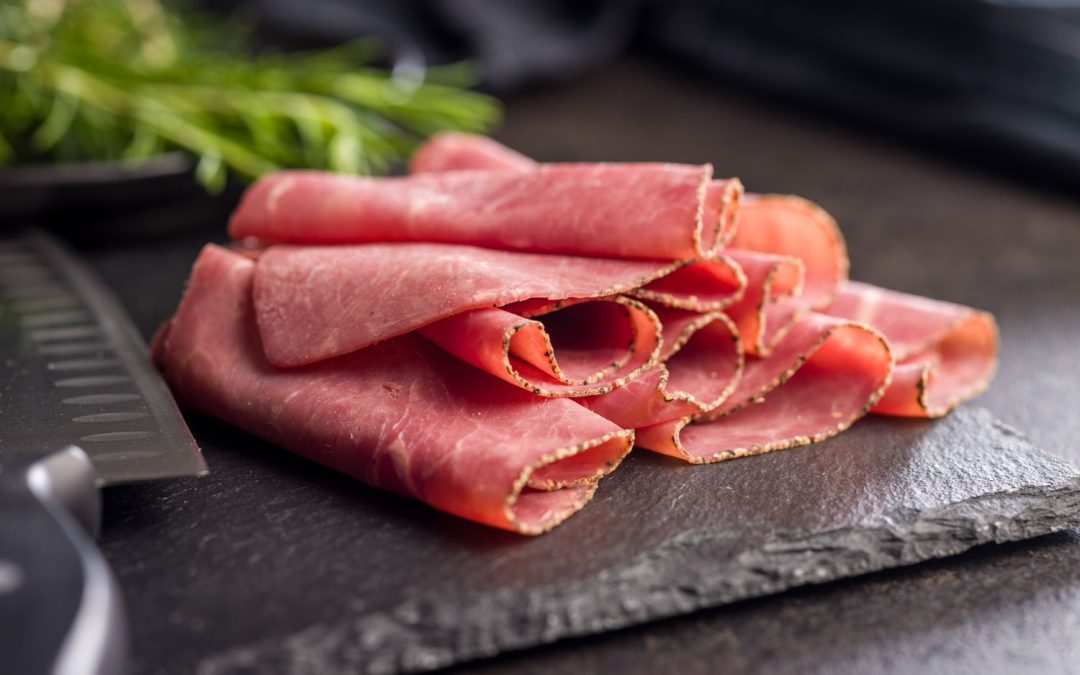
Most people who buy deli meat are not trying to eat poorly. They are trying to feed themselves or their families something quick, convenient, and reasonably good. A sandwich for lunch, a wrap for a busy weeknight, sliced turkey for the kids after school.
The problem is that the deli counter is one of the most confusing places in the grocery store when it comes to understanding what you are actually buying. Labels say things like “natural,” “uncured,” and “no added nitrates” in ways that sound healthy but do not always mean what they appear to mean. Some cold cuts are genuinely better choices than others. Many are not, regardless of how they are marketed.
This guide cuts through the label confusion and gives you a clear, honest framework for identifying the healthiest deli meat options, understanding what makes a cold cut more or less processed, and making better choices at the deli counter without overthinking every visit.
Why Deli Meat Gets Complicated
Deli meat sits in a category that nutrition researchers and public health organizations have scrutinized heavily over the past two decades.
The concerns are not unfounded. Most conventional deli meats are classified as processed meats, meaning they have been preserved through curing, smoking, salting, or the addition of chemical preservatives. The World Health Organization classifies processed meats as a Group 1 carcinogen, the same category as tobacco smoke, based on sufficient evidence that consumption is associated with increased colorectal cancer risk. That classification is about the strength of the evidence, not about the magnitude of the risk, which remains relatively modest at typical consumption levels. But it is a legitimate reason to think more carefully about which deli meats you buy and how often you eat them.
The specific concerns with most conventional deli meats center on a few things. Sodium nitrate and sodium nitrite are preservatives used in curing that contribute to the characteristic pink color and shelf stability of most processed deli meats. These compounds, and the nitrosamines they can form during high-heat cooking or digestion, are linked to the cancer risk association. High sodium content is a separate issue that affects cardiovascular health, blood pressure, and overall dietary sodium balance. Fillers, stabilizers, and added sugars in lower-quality products add processing without adding nutritional value.
None of this means deli meat is categorically off the table. It means the type of deli meat you choose, how much you eat, and how often it appears in your diet all matter.
What “Processed” Actually Means at the Deli Counter
The word processed covers a wide range of things, and understanding that range helps you make sharper distinctions at the deli counter.
At one end of the spectrum are whole muscle deli meats: turkey breast, roast beef, and chicken breast that are cooked and sliced with minimal additional ingredients. At the other end are highly processed products made from mechanically separated meat, combined with fillers, emulsifiers, dyes, and preservatives, formed into a uniform shape, and sliced for the deli case. Most conventional bologna, many salami varieties, and standard hot dog-adjacent products fall toward this end.
In between sits a wide middle ground where many everyday deli meats live. Ham is cured by definition, which places it in the processed category even when it is made from a whole muscle cut with relatively clean ingredients. Pastrami and corned beef are similarly cured. Turkey breast and chicken breast vary enormously depending on the brand and preparation, ranging from close to whole food to heavily processed depending on what has been added.
What deli meats are not processed in the conventional sense are those made from whole muscle cuts, cooked without curing salts or synthetic preservatives, and sliced for the counter. These are genuinely less processed options, but they are also shorter on shelf life and typically more expensive. Whole roasted turkey breast, sliced-to-order roast beef from an actual roast, and similarly prepared options are the closest the deli counter gets to unprocessed meat.
The Healthiest Deli Meat Options Ranked
Not all cold cuts are created equal. Here is how the most common deli meat options compare on the factors that matter most: sodium content, processing level, ingredient quality, and nutritional profile.
Turkey Breast
Turkey breast is consistently the top answer to what is the healthiest deli meat, and for good reason when the right product is chosen.
Lean, high in protein, and lower in saturated fat than most other deli options, turkey breast has a nutritional profile that holds up well. The critical variable is how it is prepared. Whole muscle turkey breast that has been roasted and sliced contains significantly fewer additives than formed turkey products made from mechanically processed meat. At the deli counter, ask whether the turkey is a whole breast or a formed product. A whole breast sliced to order is meaningfully better than pre-sliced formed turkey regardless of what the label says.
Sodium varies widely across brands and preparations. Lower-sodium turkey breast options exist and are worth seeking out, particularly if sodium is a concern for your household.
Chicken Breast
Chicken breast follows the same logic as turkey breast and carries similar considerations. Whole muscle rotisserie-style or roasted chicken breast sliced at the deli counter is a strong choice. Formed chicken products with long ingredient lists are less so.
Chicken breast tends to be slightly lower in sodium than turkey breast across comparable products, though this varies enough by brand that checking the label or asking at the counter is worthwhile.
Roast Beef
Roast beef made from a whole cut of beef, roasted and sliced, is one of the better choices at the deli counter from a processing standpoint. It is typically not cured with nitrates the way ham or pastrami is, which removes one of the primary concerns associated with processed deli meat.
The trade-offs are higher saturated fat compared to poultry options and, depending on the brand, significant sodium. For households prioritizing lower processing over lower fat, roast beef is a reasonable choice. For households prioritizing overall cardiovascular health, poultry options are generally better.
Ham
Ham is cured by definition, which means it sits in a more processed category than whole muscle poultry or roast beef regardless of how it is labeled. Even products marketed as uncured ham typically contain celery powder or celery juice as a natural source of nitrates, which functionally performs the same role in the meat as synthetic sodium nitrite.
That said, ham made from whole muscle cuts with a short, recognizable ingredient list is meaningfully better than formed ham products filled with stabilizers and added sugars. If ham is a household staple, look for whole muscle cuts with the lowest sodium content available and treat it as an occasional choice rather than an everyday one.
Salami and Bologna
Salami, bologna, and similar products are the most heavily processed options at the deli counter and the furthest from the healthiest deli meat category. They are typically made from multiple types of mechanically separated meat, combined with fat, fillers, curing agents, and preservatives, and they carry the highest sodium and saturated fat loads of the common deli options.
They are not impossible to enjoy occasionally, but they are not a health-forward choice and should not anchor a regular lunch routine for households trying to improve dietary quality.
Pastrami and Corned Beef
Pastrami and corned beef are cured meats with a flavor profile that does not really have a whole-muscle, lower-processing equivalent at the deli counter. They are what they are: delicious, salty, cured, and best treated as an occasional choice rather than a daily staple. Pastrami made from whole muscle brisket with a recognizable spice rub is a better product than one with a long preservative list, but neither belongs in the everyday healthy lunch meat category.
What Uncured and Unprocessed Deli Meat Labels Actually Mean
Label literacy is one of the most useful skills you can develop at the deli counter, because the terminology is frequently misleading.
“Uncured” on a deli meat label means the product has not been cured with synthetic sodium nitrite or sodium nitrate. It does not mean the product contains no nitrates. Most uncured deli meats use celery powder, celery juice, or beet extract as natural sources of nitrates, which convert to the same compounds during processing. The end result in the meat is functionally similar to conventionally cured products. Uncured labeling is technically accurate but not necessarily the health improvement it implies.
“No added nitrates or nitrites” carries an asterisk in most cases, because the same celery-derived nitrate source applies. The FDA requires products using this claim alongside natural nitrate sources to include a statement noting that celery powder or similar ingredients are used, but the disclosure is often small and easy to miss.
“Natural” is one of the least meaningful claims on a deli meat label. The USDA defines natural as minimally processed and containing no artificial ingredients, but the definition is broad enough to include products with significant sodium, multiple additives, and processing steps that most consumers would not consider natural in any meaningful sense.
“Organic” is a more meaningful certification because it requires that the animals were raised without antibiotics or synthetic hormones and that the feed was organic. It does not, however, address curing methods or sodium content, so an organic deli meat can still be high in sodium and cured with the same celery-derived nitrates as a conventional product.
Unprocessed deli meat in a strict sense is rare at most counters. The closest options are whole muscle cuts, roasted without curing agents or synthetic preservatives and sliced fresh. These exist and are worth asking for specifically, but they are not the norm and they have shorter shelf life than cured products because the preservation step has been removed.
How to Shop the Deli Counter More Effectively
Knowing what to look for transforms a confusing deli counter visit into a straightforward one.
Ask for the whole product before it is sliced. Most deli counter staff can show you the label on the whole roast or breast before slicing. This gives you access to the ingredient list and sodium content before you commit. A product with five or fewer recognizable ingredients is almost always a better choice than one with fifteen.
Prioritize whole muscle cuts. Ask directly whether the turkey, chicken, or roast beef on the counter is a whole muscle product or a formed one. The answer is usually given without hesitation at a counter that handles quality products.
Compare sodium across similar products. Sodium varies significantly even within the same deli meat category. A lower-sodium turkey breast from one brand may have 30 to 40 percent less sodium per serving than a comparable product from another. If sodium is a concern, this comparison is worth making.
Buy in smaller quantities more often. Deli meat has a limited refrigerator life once sliced, typically three to five days. Buying smaller amounts and returning to the counter more frequently means you are always eating product that has been sliced recently rather than pushing the edges of how long sliced meat holds safely.
Consider thickness. Thicker slices mean fewer slices per serving, which can naturally moderate portion size without feeling like deprivation. A thick-sliced turkey breast sandwich is more satisfying than a thin-sliced one piled with twice as many pieces.
Building a Healthier Deli Lunch Routine
Choosing a better cold cut is one part of a healthier deli lunch. What surrounds the meat matters as much as the meat itself.
Bread choice is significant. A sandwich built on whole grain bread with meaningful fiber content is nutritionally different from the same filling on white bread with minimal fiber. The meat is the same. The overall meal is not.
Vegetable additions matter. Lettuce, tomato, cucumber, avocado, and similar additions contribute fiber, vitamins, and water content that improve the nutritional profile of the meal meaningfully. A deli sandwich with a generous amount of produce is a more balanced meal than one that is primarily meat and bread.
Condiments add sodium faster than most people expect. Mustard is a reasonable choice. Mayonnaise and most prepared sandwich spreads add significant sodium and fat quickly, and it compounds across multiple sandwiches per week.
Portion size for deli meat itself is worth noting. Two to three ounces per serving is a reasonable portion for most adults. The tendency to pile on significantly more than that at the deli counter is common and worth being conscious of, particularly with higher-sodium products.
Find Better Deli Options at Key Food Hollywood
A deli counter is only as useful as the quality of product behind the glass, and the staff knowledge in front of it.
Key Food Hollywood offers a deli counter where you can ask about what you are buying, request to see labels before committing, and find whole muscle options that represent the better end of what the deli counter has to offer. Whether you are building a healthier lunch routine, looking for lower-sodium options, or simply trying to understand what you are feeding your family, the deli counter should be a place where those questions get real answers.
Stop by Key Food Hollywood and ask what came in fresh. Better cold cuts start with knowing what to look for, and that conversation starts at the counter.
FAQs
What is the healthiest deli meat you can buy?
Whole muscle turkey breast or chicken breast with a short ingredient list and lower sodium content are consistently the strongest choices. Ask at the counter whether the product is a whole muscle cut or a formed product before buying.
What deli meats are not processed?
Truly unprocessed deli meat is rare. The closest options are whole muscle cuts roasted without curing agents or synthetic preservatives and sliced fresh at the counter. These exist but are not standard at every deli and have a shorter shelf life than cured products.
Does uncured deli meat mean no nitrates?
Not exactly. Most uncured deli meats use celery powder or celery juice as a natural nitrate source, which performs the same function as synthetic sodium nitrite during processing. The end result in the meat is functionally similar to conventionally cured products.
Is turkey breast always the healthiest lunch meat from the deli?
Turkey breast is generally the best starting point, but the preparation matters significantly. Whole muscle turkey breast with minimal additives is a strong choice. Formed turkey products with long ingredient lists are considerably less so, even when they are marketed similarly.
How long does deli meat last after slicing?
Sliced deli meat holds safely in the refrigerator for three to five days. Buying in smaller quantities and returning to the counter more often ensures you are always eating freshly sliced product rather than pushing the limits of how long it holds.
What should I look for on a deli meat label?
A short ingredient list with recognizable components, lower sodium content relative to comparable products, whole muscle designation, and honest labeling of any curing agents used. Five or fewer ingredients is a reasonable benchmark for a less processed product.