

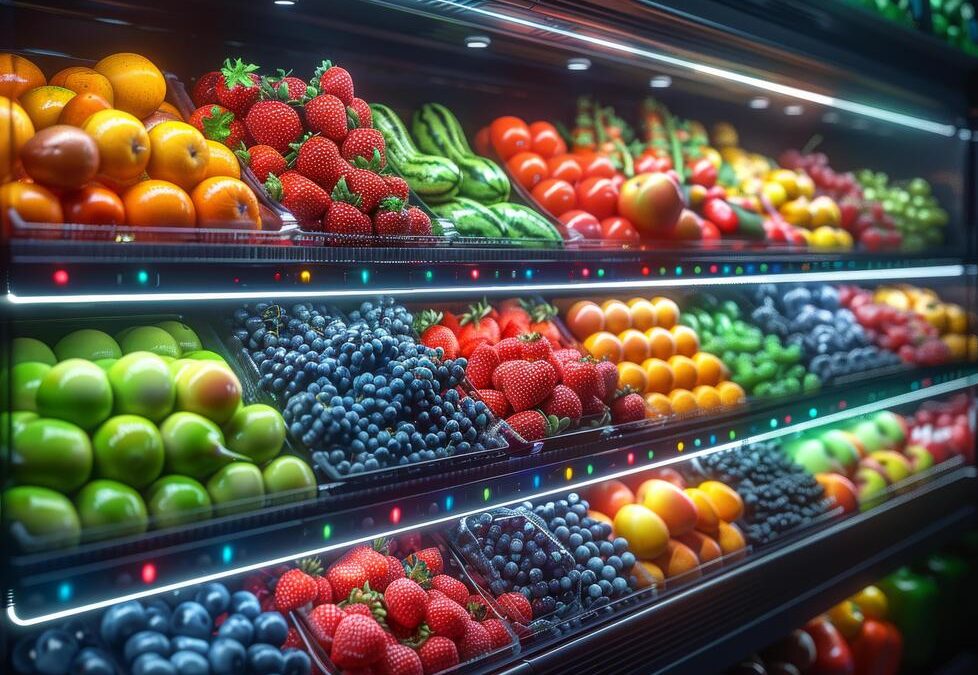
Most produce does not go bad because you bought the wrong thing. It goes bad because of what happens after you get home.
You unpack the groceries, put everything roughly where it belongs, and move on. A few days later, the spinach has gone slimy, the strawberries have started to collapse, and the herbs are wilted beyond saving. The produce was fine when you bought it. Something between the store and the plate went wrong.
For most households, that something is storage. Not dramatic mishandling, just the accumulated effect of small habits that work against the natural biology of fresh produce: the wrong temperature, the wrong container, the wrong neighbor in the refrigerator, or the wrong timing on washing.
Learning how to keep fruits and vegetables fresh longer does not require a significant overhaul of how you shop or cook. It requires understanding a few principles about how different produce behaves after harvest and applying them consistently. This guide covers all of it, from what goes in the refrigerator versus what stays on the counter, to the right way to clean fresh fruits and vegetables so they last rather than spoil faster.
Why Produce Goes Bad Faster Than It Should
Fresh fruits and vegetables are still biologically active after harvest. They continue to respire, releasing carbon dioxide and ethylene gas as they age. They lose moisture through their surfaces. They are susceptible to mold and bacterial growth, which accelerates in the presence of moisture, warmth, and damage to the skin or flesh.
Understanding this helps explain why storage decisions matter as much as they do. Cold temperatures slow respiration and bacterial growth, which is why most vegetables last longer in the refrigerator than on the counter. Ethylene gas, released in higher quantities by certain fruits, accelerates ripening in nearby produce, which is why keeping ethylene-sensitive vegetables away from high ethylene-producing fruits extends their life. Moisture on the surface of produce creates conditions for mold, which is why washing produce immediately after shopping and then storing it wet is one of the most reliable ways to shorten its life.
These are not complicated principles, but applying them specifically to the produce your household buys most often changes how long things last in a meaningful and measurable way.
The Refrigerator vs. Counter Decision
The most fundamental produce storage decision is whether something belongs in the refrigerator or on the counter. Getting this wrong is where most produce loss starts.
Produce that belongs in the refrigerator:
Leafy greens, including lettuce, spinach, kale, arugula, and chard, should go directly into the refrigerator after purchase. They are highly perishable, lose moisture quickly, and wilt rapidly at room temperature. Store them in the crisper drawer in a container lined with paper towels to absorb excess moisture.
Broccoli, cauliflower, Brussels sprouts, and cabbage all hold best in the refrigerator, loosely wrapped or in a breathable bag. These vegetables continue to respire actively and deteriorate more quickly at room temperature than most people expect.
Carrots, celery, and similar root vegetables and stalks hold for weeks in the refrigerator when stored properly. Carrots keep best submerged in water in a sealed container, with the water changed every few days. Celery keeps well wrapped tightly in aluminum foil, which slows moisture loss more effectively than plastic.
Fresh herbs, with the exception of basil, are best treated like flowers: stems trimmed, placed upright in a jar with a small amount of water, and covered loosely with a plastic bag in the refrigerator. This method extends the life of parsley, cilantro, and mint significantly compared to leaving them in their original packaging.
Berries belong in the refrigerator and are among the most time-sensitive produce items most households buy. Strawberries, blueberries, raspberries, and blackberries all benefit from specific storage approaches covered in more detail below.
Produce that belongs on the counter:
Tomatoes are one of the most commonly mishandled produce items in the home kitchen. Refrigerating tomatoes damages their cell structure, mutes their flavor, and produces a mealy texture that is a poor version of what a tomato should be. Keep tomatoes at room temperature, out of direct sunlight, stem side down, and use them before they soften past the point of enjoyment.
Avocados ripen at room temperature and should stay on the counter until they reach the softness you want. Once ripe, they can move to the refrigerator for one to two additional days. An unripe avocado placed in the refrigerator will not ripen properly and often develops dark spots without softening correctly.
Bananas release high quantities of ethylene gas and ripen quickly at room temperature. Keep them on the counter away from other produce. Once they reach your preferred ripeness, they can go in the refrigerator to slow further softening. The skin will blacken in the refrigerator, but the interior remains good for several additional days.
Stone fruits including peaches, plums, nectarines, and mangoes ripen best at room temperature. Move them to the refrigerator once they have reached peak ripeness to extend their window by a few days.
Citrus fruits including oranges, lemons, and limes are comfortable at room temperature for up to a week and hold for two to three weeks in the refrigerator. If you use citrus slowly, the refrigerator extends the useful window significantly.
Potatoes, onions, and garlic belong in a cool, dry, dark location, not the refrigerator and not in direct light. A pantry shelf or a dedicated basket away from heat sources is the right environment. Keep potatoes and onions stored separately from each other, as they accelerate each other’s deterioration when stored together.
How to Clean Fresh Fruits and Vegetables the Right Way
How to clean fresh fruits and vegetables is one of the most commonly misunderstood parts of produce handling, and the timing of washing matters as much as the method.
The core rule: wash before eating, not before storing. Washing produce before storing it introduces moisture that creates conditions for mold and bacterial growth during storage. Produce that goes into the refrigerator wet spoils faster than produce that goes in dry. With very few exceptions, the right moment to wash produce is immediately before you plan to eat or cook it, not when you unpack groceries.
The exception: berries. Berries benefit from a specific washing method that actually extends their life when done correctly. The key is a brief rinse in a diluted vinegar solution, one part white vinegar to three parts water, followed by a thorough rinse in clean water and then a complete drying before storage. The mild acidity of the vinegar kills mold spores on the surface of the berries before they have a chance to spread, which is why berries washed this way last noticeably longer than berries stored unwashed or washed in plain water. Dry thoroughly after rinsing, because any residual moisture shortens rather than extends storage life.
For most produce, cold running water and gentle handling are sufficient. Hold produce under cold running water and rub the surface gently with your hands or a soft produce brush for firmer items like apples, cucumbers, and root vegetables. There is no need for soap, dish detergent, or produce washes marketed as superior cleaning agents. Research consistently shows that cold running water removes surface residues and bacteria as effectively as most commercial produce washes.
For leafy greens, a salad spinner is one of the most useful tools you can own. Fill the bowl with cold water, submerge the greens, and agitate gently to dislodge any soil or debris. Lift the greens out of the water rather than pouring the water off, so any sediment stays in the bowl rather than rinsing back over the leaves. Spin dry, then store in the spinner or in a container lined with paper towels. Greens stored this way, clean and dry, hold for several days longer than greens stored in their original packaging.
For produce with rinds or skins you do not eat, like melons, avocados, and citrus, washing the outer surface before cutting is still important. A knife moving through an unwashed rind carries surface bacteria into the interior flesh. A quick rinse under cold water before cutting prevents this.
Storage Strategies for the Produce Your Household Buys Most
Applying general principles to the specific produce items your household buys most often is where the practical payoff happens.
Strawberries are among the most perishable items in any produce section and require the most intentional handling. After the vinegar rinse described above, dry them completely and store them in a single layer on a paper towel-lined container in the refrigerator with the lid slightly ajar to allow airflow. Do not hull them until you are ready to eat them. Hulled strawberries lose moisture and deteriorate faster than whole ones.
Spinach and mixed greens benefit from the paper towel method more than almost any other produce item. Transfer them from their original bag into a container lined with dry paper towels, add another paper towel on top, and seal. The paper towels absorb the excess moisture that causes slimy greens. Replace the paper towels if they become saturated. Greens stored this way routinely last twice as long as greens left in their original bag.
Fresh herbs respond best to the jar method described above for cilantro, parsley, and mint. Basil is the exception and does not tolerate refrigerator temperatures well. Keep basil at room temperature in a jar of water on the counter, away from direct sunlight, treated exactly like a bunch of cut flowers.
Broccoli keeps best stored loosely in the refrigerator with the cut end wrapped in a damp paper towel. This slows moisture loss from the stalk while allowing the florets to breathe. Pre-cut broccoli deteriorates significantly faster than whole heads, so buying whole when possible gives you a longer storage window.
Apples produce high amounts of ethylene and will accelerate the ripening and deterioration of other produce stored nearby. Keep apples in the refrigerator, ideally in a separate drawer from other produce. A bowl of apples on the counter looks appealing but shortens the life of everything nearby.
Avocados have one additional trick worth knowing: a cut avocado with the pit left in the uneaten half, pressed with plastic wrap directly against the flesh to exclude air, keeps noticeably better than one stored with the pit removed. The pit does not chemically slow browning in any meaningful way, but it limits the surface area exposed to air, which does.
Cucumbers are cold-sensitive and actually keep better at around 50 degrees Fahrenheit than at standard refrigerator temperatures. If you have a wine refrigerator or a consistently cool pantry, that is the ideal environment. In a standard refrigerator, keep cucumbers toward the front of the refrigerator where temperatures tend to be slightly warmer than the back, and use them within three to four days of purchase.
Mushrooms are one of the few items that keep better in their original paper bag or in a paper bag you transfer them to than in a plastic container. Paper allows moisture to escape, which plastic does not. Excess moisture is what causes mushrooms to become slimy quickly. Never store mushrooms in an airtight plastic bag.
The Ethylene Problem and How to Manage It
Ethylene is a naturally occurring gas that acts as a ripening hormone in many fruits and vegetables. High-ethylene producers speed the ripening and deterioration of ethylene-sensitive produce stored nearby, which is one of the most common and least understood causes of premature produce spoilage in home kitchens.
High ethylene producers that should be stored away from sensitive produce: apples, bananas, avocados, tomatoes, peaches, pears, and mangoes.
Ethylene-sensitive produce that deteriorates faster when stored near the above: broccoli, Brussels sprouts, leafy greens, carrots, cucumbers, and most berries.
In practical terms, keeping your fruit bowl separate from your vegetable storage, and keeping high-ethylene fruits like bananas and apples away from the produce section of your refrigerator, makes a meaningful difference in how long sensitive vegetables last. The crisper drawer is not immune to ethylene, but it reduces exposure compared to open refrigerator shelves where gases circulate more freely.
Container Choices That Make a Real Difference
The container produce is stored in affects how long it lasts almost as much as the temperature.
Airtight plastic containers work well for items that benefit from contained humidity, like cut vegetables and washed greens stored with paper towels. They work poorly for items that need airflow, like mushrooms and whole fruits.
Glass containers with loosely fitting lids or slightly vented seals tend to produce better results than fully airtight plastic for most produce because they allow some gas exchange without drying produce out completely.
Mesh produce bags or loosely tied plastic bags with a few small holes allow the airflow that many vegetables need while preventing the dehydration that comes from open shelf storage.
Beeswax wraps are a sustainable alternative to plastic wrap for wrapping cut produce like halved avocados, cut citrus, and halved onions. They perform comparably to plastic wrap and are reusable.
Whatever containers you use, lining them with dry paper towels for any produce that releases moisture, which includes most greens, berries, and cut vegetables, is consistently the single most effective low-effort step for extending storage life.
Building Habits That Reduce Produce Waste Over Time
Individual storage tips matter, but the habits that surround how you buy and handle produce compound into the biggest difference over time.
Buy less, more often. The most common cause of produce waste is buying more than the household can realistically use in a week. Buying smaller quantities and returning to the store more frequently keeps produce fresher and reduces the end-of-week disposal that inflates food costs without producing any meals.
Process produce shortly after shopping. Washing and prepping greens, trimming herbs, and doing any cutting or portioning within a day of purchase means produce is ready to use when you need it and is stored in its optimal form rather than sitting in its original packaging.
Do a midweek refrigerator check. A quick look at what is approaching the end of its window on Wednesday or Thursday gives you the chance to build one meal around what needs to be used rather than discovering the same items at the back of the drawer on Sunday, past saving.
Freeze what you will not use in time. Many produce items freeze well and are useful from frozen for cooked applications even when they are no longer good for fresh use. Bananas past their prime peel and freeze beautifully for smoothies. Spinach wilting faster than expected goes directly into a freezer bag for future soups or sautéed applications. Herbs that will not last can be chopped and frozen in olive oil in an ice cube tray for cooking use.
Shop Fresh, Store Smart at Key Food Hollywood
Fresh produce handled well from the moment you buy it is one of the highest-value things you can do for both the quality of your meals and the efficiency of your grocery budget.
Key Food Hollywood offers fresh fruits, vegetables, and produce staples in a Hollywood, FL neighborhood setting where quality and selection make it worth building a regular shopping habit. Whether you are doing your main weekly shop or stopping in for a midweek refresh of perishables, starting with genuinely fresh produce gives every storage habit a better foundation to work from.
Visit Key Food Hollywood and bring your list. Fresh produce, handled right from the start, makes every meal better and every grocery dollar go further.
FAQs
How do you keep fruits and vegetables fresh longer after buying them?
Store produce at the right temperature for its type, keep it dry until you are ready to use it, separate high-ethylene producers like apples and bananas from ethylene-sensitive vegetables, and line storage containers with paper towels to absorb excess moisture.
Should you wash fruits and vegetables before storing them?
In most cases, no. Washing before storing adds moisture that promotes mold and bacterial growth. Wash produce immediately before eating or cooking it. The exception is berries, which benefit from a brief vinegar rinse followed by thorough drying before refrigerator storage.
How do you clean fresh fruits and vegetables properly?
Cold running water and gentle rubbing with clean hands or a soft brush is sufficient for most produce. A diluted vinegar rinse, one part white vinegar to three parts water, followed by a clean water rinse and thorough drying, works especially well for berries. Soap and dish detergent are not recommended for produce.
Why do my greens go slimy so fast?
Excess moisture is usually the cause. Transfer greens from their original packaging into a container lined with dry paper towels, add another paper towel on top, and seal. Replace the paper towels if they become saturated. This significantly extends the life of leafy greens compared to leaving them in their original bag.
What produce should not be stored in the refrigerator?
Tomatoes, bananas, avocados before ripening, stone fruits before ripening, potatoes, onions, garlic, and basil all keep better outside the refrigerator. Refrigerating tomatoes in particular damages their texture and flavor significantly.
How do you stop produce from making other produce go bad faster?
Keep high-ethylene-producing fruits like apples, bananas, and peaches separate from ethylene-sensitive vegetables like broccoli, leafy greens, and carrots. In the refrigerator, store fruits and vegetables in separate drawers when possible.