

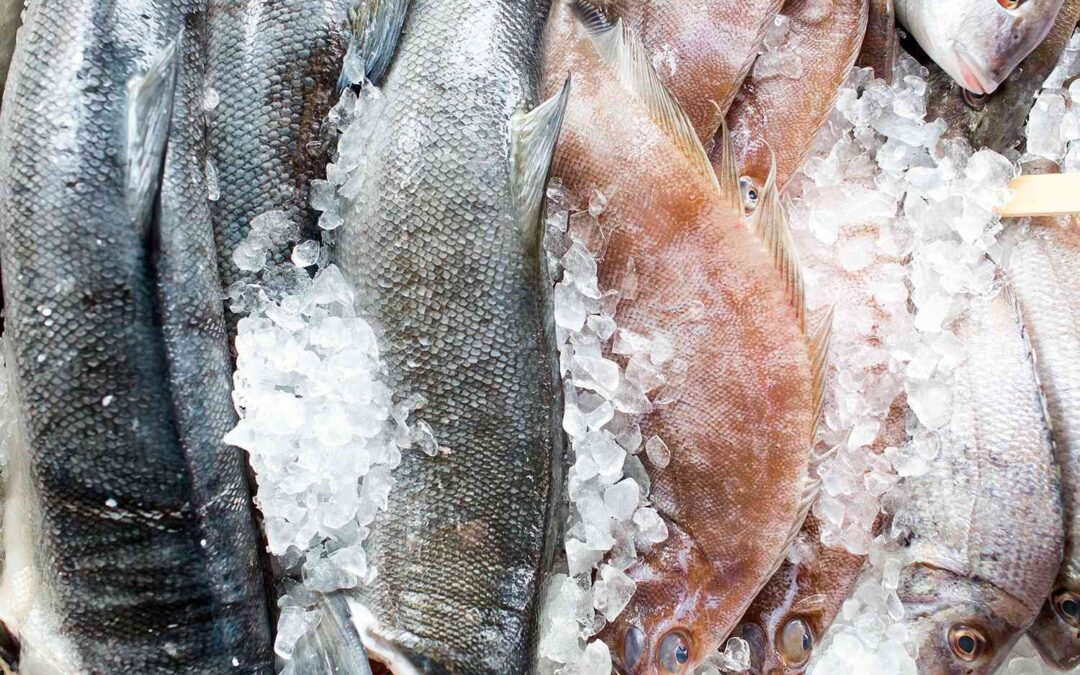
Buying great fish is only half the job.
The other half happens after you leave the market, in the 30 minutes it takes to get home, in how you handle the fish when you arrive, and in how you store it until you are ready to cook. Get that part right and the fish you bought tastes the way it should. Get it wrong and even the freshest purchase from the best fish market in Hollywood, FL ends up disappointing on the plate.
Most home cooks have a general sense that fresh fish should be used quickly. What fewer people know is exactly how quickly, which storage methods actually work, and how Florida’s climate specifically shortens the window they are working with. This guide covers all of it, from the moment you get home to the moment the fish hits the pan.
Why Fresh Fish Storage Matters More in Florida Than Most Places
Fresh fish has a narrow window under any conditions. In South Florida, that window is narrower than most people expect.
The standard guideline for fresh fish refrigerator life is 24 to 48 hours after purchase. That is the range under ideal conditions: a properly calibrated refrigerator, consistent cold temperatures, and minimal handling. In Florida’s climate, ideal conditions are harder to maintain and easier to disrupt.
The combination of high ambient humidity and warm outdoor temperatures means that any break in the cold chain, the time between leaving the fish counter and getting the fish into your refrigerator, has a more significant effect here than it would in a cooler region. A 20-minute drive home in summer heat with fish sitting in a warm car can meaningfully advance the spoilage process before the fish ever reaches your kitchen.
Florida’s indoor humidity also matters. Refrigerators in humid climates cycle more frequently and may not maintain as consistent an internal temperature as they do in drier environments. Fluctuating temperatures inside the refrigerator accelerate bacterial growth on fish surfaces, which is why seafood storage in Florida humidity requires more care than the general advice you might find in a recipe book written for a different climate.
The practical takeaway is simple: treat the 24-hour mark as your reliable window in Florida, and treat anything beyond 36 hours with real scrutiny before deciding to cook.
Getting the Fish Home Without Losing Ground
Storage starts before you reach the refrigerator.
If you are shopping at a fish market in Hollywood, FL during warmer months, which in South Florida means most of the year, bringing an insulated cooler bag or a small cooler with ice to the store is the single most effective thing you can do to protect your purchase. Placing fish directly from the counter into a cold environment and keeping it there until you reach home preserves the temperature the market worked to maintain and prevents the cold chain from breaking the moment you walk out the door.
If you do not have a cooler, keep the fish away from direct sun exposure in the car, run the air conditioning immediately, and go straight home without additional stops. Every additional minute in a warm car matters more than most shoppers realize.
The Right Way to Store Fresh Fish in the Refrigerator
Once you are home, how you store the fish is as important as how quickly you refrigerate it.
The coldest part of the refrigerator matters. Most household refrigerators are coldest at the back of the bottom shelf, away from the door. The door shelves are the warmest part of the refrigerator due to repeated opening and the distance from the cooling element. Fish should always go in the back of the bottom shelf, never in the door.
The paper towel method is one of the most reliable approaches for short-term refrigerator storage. Pat the fish dry with paper towels immediately after getting home, removing surface moisture that accelerates bacterial growth. Wrap the fish loosely in fresh paper towels, then place it in a zip-lock bag or airtight container with the bag unsealed slightly to prevent moisture buildup. Replace the paper towels if they become saturated.
The ice bath method goes a step further and is worth using when you plan to hold the fish for more than 24 hours or when you know your refrigerator runs slightly warm. Place the fish in a sealed zip-lock bag and set it on top of a bed of crushed ice in a shallow container or baking dish. The direct contact with ice keeps the fish at a temperature closer to 32 degrees Fahrenheit, which is colder than most household refrigerators and closer to the temperatures used in commercial fish storage. Drain and replace the ice as it melts.
A sealed container is the minimum acceptable option when neither of the above is practical. Place the fish in an airtight container and store it at the back of the bottom shelf. This is better than leaving fish in its market wrapping, which is often not designed for extended home storage, but it is less effective than either the paper towel or ice bath method.
Never store fish uncovered in the refrigerator. Exposed fish dries out, absorbs odors from other foods, and deteriorates faster than fish that is properly wrapped and contained.
How Long Different Fish Types Actually Last
Not all fresh fish holds at the same rate. Fat content is the primary variable, and understanding it helps you plan your cook schedule more accurately.
Lean white fish such as red snapper, grouper, flounder, tilapia, and sea bass have a lower fat content, which generally means they are more delicate and more sensitive to temperature fluctuations. Under ideal refrigeration conditions in a Florida home, plan to cook lean white fish within 24 hours of purchase. Beyond that, quality drops noticeably.
Fatty fish such as salmon, mackerel, tuna, and mahi-mahi hold slightly better due to their higher fat content, which provides some buffer against the early stages of spoilage. A reliable window for fatty fish under proper refrigeration in Florida is 24 to 36 hours. Some sources suggest up to 48 hours, but given Florida’s humidity and the practical limitations of home refrigerators, treating 36 hours as the outer limit is a more conservative and more reliable approach.
Fresh shrimp falls between the two in terms of holding time. Properly refrigerated and stored on ice, fresh shrimp can hold for up to two days, though the 24-hour window remains the safest target, particularly if you noticed the shrimp had already been on display for part of the day when you purchased it.
Whole fish generally holds slightly longer than fillets because the skin and bones provide some protection to the interior flesh. If you bought a whole fish from a fish market in Hollywood, FL and plan to store it before cooking, the ice bath method is particularly effective for whole fish and can extend the reliable window to 36 hours with proper ice maintenance.
Freezing Fish at Home: Methods That Actually Work
When you buy more than you can cook within the fresh window, freezing is the right move, but the method matters significantly. Fish frozen carelessly suffers texture and flavor damage from ice crystal formation and freezer burn. Fish frozen correctly holds well and cooks comparably to fresh.
Vacuum sealing is the most effective home freezing method for fish. Removing all air from around the fish before freezing prevents the oxidation and ice crystal formation that cause freezer burn and texture degradation. A vacuum sealer is a worthwhile investment for households that buy fish regularly. Vacuum-sealed fish stored at 0 degrees Fahrenheit or below can hold for three to six months with minimal quality loss depending on the fish type.
Water immersion freezing is an excellent alternative when vacuum sealing is not available. Place the fish in a zip-lock freezer bag and fill the bag with enough cold water to completely submerge the fish, then seal the bag removing as much air as possible. The water acts as a barrier against air exposure during freezing and significantly reduces freezer burn. This method works particularly well for fillets and shrimp. Fish frozen this way holds well for two to three months.
Flash freezing on a tray is useful when you want to freeze individual portions that will not stick together. Place fish portions in a single layer on a parchment-lined baking sheet and freeze uncovered until solid, typically two to three hours. Once frozen solid, transfer the portions to a vacuum-sealed bag or heavy-duty freezer bag, removing as much air as possible. This method is especially practical for shrimp and smaller fillets that you want to be able to grab individually without thawing an entire batch.
Regardless of method, label everything with the fish type and the date it was frozen. Frozen fish does not last indefinitely, and without a date label it is easy to lose track of what has been in the freezer and for how long.
How Long Frozen Fish Lasts at Home Freezer Temperatures
Home freezers maintained at 0 degrees Fahrenheit or colder provide a reliable storage environment, but different fish types hold at different rates even when frozen.
Lean white fish such as snapper, grouper, and flounder hold best in the freezer and can maintain good quality for up to six months when properly vacuum sealed. Water immersion freezing extends reliable quality to approximately three months.
Fatty fish such as salmon, mackerel, and tuna have a shorter freezer life due to the higher fat content, which is more susceptible to oxidation over time even in a sealed environment. Plan to use fatty fish within two to three months of freezing for best quality.
Shrimp freezes exceptionally well and is one of the proteins that holds up best to home freezing. Properly sealed shrimp can hold for up to six months with minimal quality loss, making it a smart item to buy in larger quantities when the quality at the counter is particularly strong.
Whole fish holds slightly longer than fillets in the freezer due to the skin providing an additional protective layer. Properly sealed whole fish can hold for up to four months for fatty varieties and up to six months for lean ones.
A freezer that is opened frequently, overfilled, or subject to temperature fluctuations from power interruptions will shorten these windows. If your freezer runs at a temperature warmer than 0 degrees Fahrenheit, reduce the expected storage times accordingly.
The Right Way to Thaw Fish Before Cooking
How you thaw fish affects the final result as significantly as how you store it. The wrong thawing method can undo careful storage and compromise the texture of the fish before it ever reaches the pan.
Overnight refrigerator thawing is the correct method for planned meals. Transfer frozen fish from the freezer to the refrigerator the night before you plan to cook it and allow it to thaw slowly in the cold environment. This method preserves texture, keeps the fish at a safe temperature throughout the thawing process, and gives you a fish that behaves similarly to fresh when it hits the heat. Once thawed this way, fish should be cooked within 24 hours and should not be refrozen.
Cold water thawing works when you need fish thawed faster than overnight. Keep the fish in its sealed freezer bag and submerge it in a bowl of cold water. Change the water every 30 minutes to maintain the cold temperature and prevent the outer surface of the fish from warming into the danger zone while the interior is still frozen. Most fillets thaw fully using this method within one to two hours depending on thickness. Cook immediately after thawing this way.
Never thaw fish on the counter. Room temperature thawing allows the outer surface of the fish to enter the bacterial growth zone, between 40 and 140 degrees Fahrenheit, while the interior is still frozen. This creates conditions for rapid spoilage even when the fish looks and smells acceptable on the surface.
Never thaw fish in warm or hot water. Warm water accelerates surface spoilage and begins to cook the exterior of the fish, damaging texture and creating uneven results when you go to cook it.
Never refreeze thawed fish unless it has been cooked first. Refreezing raw thawed fish degrades texture significantly and increases the risk of spoilage.
Signs Your Fish Has Gone Bad
Even with careful storage, knowing when fish has crossed the line from acceptable to unusable is an important skill.
Smell is the most reliable indicator. Fresh fish should smell clean and mild, like the ocean or like nothing at all. A sour, ammonia-like, or strongly fishy odor is a clear sign that the fish has spoiled and should not be cooked. Trust your nose over your eyes when the two give you conflicting information.
Texture is the second indicator. Fresh fish flesh should feel firm and spring back when pressed. Fish that feels mushy, soft, or leaves an indentation when pressed has begun to break down and is past its best. For whole fish, check that the flesh near the bones is still firm and has not begun to separate from the skeleton.
Appearance can offer supporting signals. Fresh fillets should look moist and translucent at the edges, not dried out or opaque throughout. Discoloration, particularly gray or brown patches on white fish, suggests age. For whole fish, cloudy eyes rather than clear and bright eyes are a traditional indicator of age, though this signal is less reliable on its own than smell or texture.
Sliminess on the surface of the fish, beyond the natural slight moisture of fresh fish, indicates bacterial activity and spoilage. If the fish feels significantly slippery or tacky in a way that feels wrong, do not cook it.
When in any doubt, discard the fish. The cost of replacing it is far lower than the cost of a foodborne illness.
Printable Fish Storage Cheat Sheet
Cut out or save this reference for your kitchen.
REFRIGERATOR STORAGE
| Fish Type | Reliable Window in Florida |
| Lean white fish (snapper, grouper, flounder) | Up to 24 hours |
| Fatty fish (salmon, mackerel, tuna, mahi-mahi) | Up to 36 hours |
| Fresh shrimp | Up to 24 to 48 hours on ice |
| Whole fish | Up to 36 hours with ice bath |
Best method: Ice bath at back of bottom shelf. Paper towel wrap as minimum.
FREEZER STORAGE
| Fish Type | Vacuum Sealed | Water Immersion |
| Lean white fish | Up to 6 months | Up to 3 months |
| Fatty fish | Up to 3 months | Up to 2 months |
| Shrimp | Up to 6 months | Up to 4 months |
| Whole fish (lean) | Up to 6 months | Up to 3 months |
Best method: Vacuum seal first. Label with fish type and freeze date.
THAWING RULES
Overnight in refrigerator: best method, cook within 24 hours after thawing. Cold water in sealed bag: change water every 30 minutes, cook immediately after. Never on the counter. Never in warm water. Never refreeze raw thawed fish.
SIGNS OF SPOILAGE
Sour or ammonia smell. Mushy or soft texture. Gray or brown discoloration. Excessive sliminess. When in doubt, discard.
Fresh Fish Handled Right Starts at Key Food Hollywood
Good storage habits protect your investment and make every meal cook the way it should. But the foundation is always the fish itself.
Key Food Hollywood offers fresh seafood at a fish market in Hollywood, FL that is convenient, well-maintained, and stocked with the quality your recipes depend on. Whether you are buying for tonight’s dinner or stocking the freezer for the week ahead, starting with fish that is genuinely fresh gives every storage method a better chance of working the way it should.
Visit Key Food Hollywood, pick up what looks best today, and bring this guide home with you.
FAQs
How long does fresh fish last in the refrigerator in Florida? In Florida’s humid climate, treat 24 hours as your reliable window for lean white fish and up to 36 hours for fatty fish like salmon. The combination of humidity and warm ambient temperatures shortens the safe storage window compared to cooler, drier regions.
What is the best way to store fresh fish at home? The ice bath method is the most effective for home refrigerator storage. Place sealed fish on a bed of crushed ice at the back of the bottom shelf and replace the ice as it melts. At minimum, wrap fish in paper towels, place in an airtight container, and store at the coldest part of the refrigerator.
Can I freeze fish I bought fresh from a fish market in Hollywood, FL? Yes. Vacuum sealing is the most effective method and extends freezer life to three to six months depending on fish type. Water immersion freezing is a strong alternative when a vacuum sealer is not available.
What is the safest way to thaw frozen fish? Thaw overnight in the refrigerator for planned meals. For faster thawing, submerge the sealed bag in cold water and change the water every 30 minutes. Never thaw fish on the counter or in warm water.
How do I know if fresh fish has gone bad? A sour, ammonia-like, or strongly fishy smell is the clearest sign. Soft or mushy texture, gray discoloration, and excessive sliminess are additional indicators. When in doubt, discard the fish rather than risk it.
Does fatty fish like salmon last longer than white fish in the freezer? No. Fatty fish actually has a shorter freezer life because its higher fat content is more susceptible to oxidation over time. Plan to use frozen salmon or mackerel within two to three months, while lean white fish like snapper can hold for up to six months when properly sealed.