

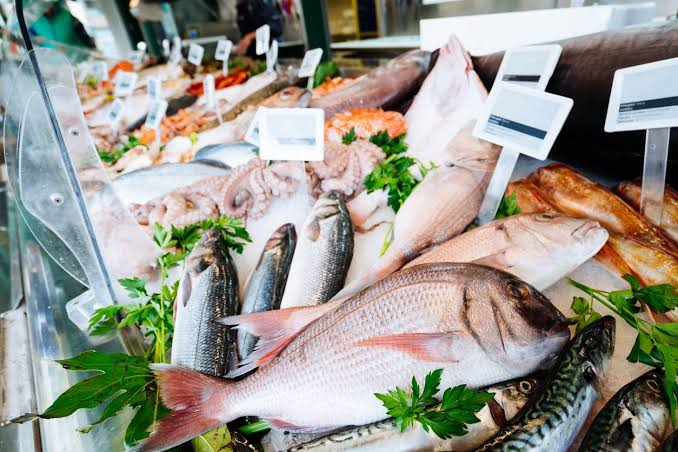
For millions of families across South Florida, Lent is not just a religious observance. It is a cooking season.
From Ash Wednesday through Good Friday, the rhythm of the kitchen changes. Meat steps back. Fish moves to the center of the table. Recipes that only come out once a year get dusted off. Children grow up associating the smell of bacalao soaking in water with the approach of Easter, or the sizzle of whole snapper in a hot pan with a Friday evening in March.
Hollywood, FL is home to a dense and overlapping network of Latin and Caribbean communities, many of whom mark Cuaresma and Holy Week with deep culinary traditions tied specifically to the fish counter. Cuban families preparing bacalao a la vizcaina. Dominican households cooking pescado con coco for Holy Thursday. Peruvian cooks making aguadito de pescado to carry the family through the week. These are not incidental meals. They are rituals, and the fish market in Hollywood, FL is where they begin.
This guide covers the cultural backdrop of Lent and Cuaresma, the fish types that anchor Latin and Caribbean Holy Week cooking, a week-by-week shopping guide for the six weeks of Lent, traditional Holy Week dishes by culture, and a full Good Friday menu plan to help you shop and cook with intention this season.
A Brief Cultural Primer on Lent and Cuaresma
Lent is the 40-day period of fasting and reflection in the Christian liturgical calendar that begins on Ash Wednesday and concludes on Holy Saturday, the day before Easter Sunday. It commemorates the 40 days Jesus spent fasting in the desert before beginning his public ministry.
For Catholic and many Protestant communities, Lent involves abstaining from meat on Fridays and, for more devout observers, on additional days throughout the season. Fish and seafood are permitted on fast days because they are historically classified separately from land-based meat in Catholic dietary tradition, a distinction that goes back to medieval church practice and has shaped coastal and fishing communities around the world for centuries.
In Latin America and the Caribbean, this tradition became Cuaresma, and it carries distinct cultural expressions depending on country of origin. In Cuba, bacalao, salt cod brought by Spanish colonizers, became the centerpiece of Lenten cooking because it was shelf-stable, affordable, and deeply flavorful when properly prepared. In Mexico, Cuaresma is a full culinary season with its own market culture, specific dishes that only appear during these weeks, and a social dimension that extends well beyond the church. In Peru, Ecuador, and Colombia, fish stews, ceviches, and chupe soups anchor the Lenten table. In Haiti and Jamaica, Friday fish is a year-round tradition that takes on additional significance during Holy Week.
Holy Week, the final week of Lent from Palm Sunday through Holy Saturday, is the most intensely observed period. Good Friday carries the most dietary restriction, with many families observing a full fast or eating only fish and simple sides. In many Latin households, Good Friday means a specific dish that has been prepared the same way for generations, and deviation from that dish is not particularly welcome.
Understanding this backdrop helps explain why the fish counter at a local fish market in Hollywood, FL gets noticeably busier as Lent progresses, and why planning ahead makes a meaningful difference in what you are able to find and buy.
The Fish That Anchor Latin and Caribbean Lenten Cooking
Different traditions call for different fish, but a core group of species appears across most Latin and Caribbean Lenten tables. Knowing which fish to look for, and what questions to ask at the counter, makes shopping faster and more effective.
Bacalao (salt cod) is the most culturally significant Lenten fish across Spanish-speaking Caribbean communities. It requires advance planning: the dried salt cod must be soaked for 24 to 48 hours with multiple water changes to remove the salt before cooking. Bacalao is typically sold dried and packaged, sometimes by the piece and sometimes by weight. Ask for thick, meaty pieces with consistent white coloring. Yellowing or very thin pieces are signs of age or lower quality cuts.
Whole red snapper is the most versatile fresh fish for Lenten cooking across Cuban, Dominican, Puerto Rican, Haitian, and Jamaican traditions. It holds up well to frying, baking, braising, and steaming, and its mild flavor works with both bold sauces and simple seasonings. During Lent, whole snapper moves quickly at the counter, so shopping earlier in the week rather than on Thursday or Friday gives you better selection.
Grouper is a close second to snapper in versatility and is particularly well suited to preparations that involve sauce or broth, such as the Vizcaina preparation or Dominican coconut fish. Ask for thick fillets rather than thin cuts, which can fall apart during braising.
Tilapia is an accessible and affordable option for families feeding larger groups. It is mild, widely available, and works well in spiced or sauce-heavy preparations where a stronger-flavored fish is not required. It is less suited to simple preparations where the fish flavor itself needs to carry the dish.
Mackerel is used extensively in Haitian cooking and appears in several Caribbean Lenten traditions. It has a strong, oily flavor that pairs well with acidic and spiced preparations. Fresh mackerel moves quickly so ask the counter staff when it came in before purchasing.
Shrimp plays a secondary but important role in Lenten cooking across all of these traditions. It is fast-cooking, family-friendly, and versatile enough to appear in everything from rice dishes to fritters to pasta preparations that replace meat for the season.
Week-by-Week Lent Shopping Guide
Lent spans six weeks, and each week has a slightly different feel and rhythm in the kitchen. Planning your fish purchases week by week rather than trying to stock up in a single trip keeps freshness high and waste low.
Week One: Ash Wednesday Through the First Friday
The first week of Lent is often when families recommit to the meatless Friday tradition and pull out recipes they have not made since the previous year. This is also when bacalao needs to go on your shopping list if you plan to serve it during the season, because it requires advance soaking.
What to buy: Pick up bacalao in the first week and store it in a cool, dry place until you are ready to begin soaking it. Buy a whole snapper or tilapia for the first Lenten Friday. Keep the meal simple this week, as the more elaborate preparations tend to build toward Holy Week.
Fish counter tip: Ask whether the market has received its Lenten season bacalao stock. Demand increases throughout Cuaresma, and getting it early ensures you have the quality and quantity you need.
Week Two: Finding the Rhythm
By the second week, the pattern is established and families start rotating through their standard Lenten repertoire. This is a good week to try a preparation you have not made before or to vary the fish type rather than defaulting to the same species every Friday.
What to buy: Consider mackerel or grouper as alternatives to snapper this week. Fresh shrimp is a practical option if you are feeding a busy household and need a faster meal than a whole fish preparation allows.
Fish counter tip: Ask what has the strongest turnover at the counter that week. High-volume fish during Lent tends to be the freshest because it moves quickly and gets replenished more often.
Week Three: Midpoint Planning
The midpoint of Lent is when Holy Week starts to come into view and families begin thinking about what they want to serve during the final week. This is the right time to plan your Holy Week menu and note which ingredients need to be sourced in advance.
What to buy: Stock up on pantry Lenten staples this week: canned tomatoes, olives, capers, coconut milk, and dried spices used in traditional preparations. For fresh fish, continue rotating through your standard options.
Fish counter tip: Ask the staff whether they expect any special inventory for Holy Week and whether they take advance requests for specific fish or cuts. Some markets can reserve product for regular customers during peak periods.
Week Four: Building Toward Holy Week
Energy in the kitchen picks up during week four as Easter approaches. This is a good week for a slightly more involved preparation, something that requires more time or technique than a simple weeknight fish dish.
What to buy: A whole fish for a braised or baked preparation. Fresh shrimp in a larger quantity if you plan to make a rice dish or stew. If you are planning Dominican pescado con coco for Holy Week, this is the week to practice the recipe if it is not already part of your regular rotation.
Fish counter tip: Check the freshness of coconut milk in the pantry section and replace it if it has been sitting for a while. The quality of the coconut milk matters more than many cooks realize in coconut-based fish preparations.
Week Five: Pre-Holy Week Preparation
The week before Holy Week is when experienced Lenten cooks start getting organized. This is the week to finalize your Holy Week menu, confirm which dishes you are making on which days, and identify any ingredients that need to be purchased before the Holy Week rush begins.
What to buy: Begin soaking bacalao this week if you plan to serve it on Good Friday or Holy Thursday. Pick up a fresh whole fish for Palm Sunday if your family marks the beginning of Holy Week with a special meal. Purchase non-perishable pantry items for all of your Holy Week dishes so you only need to visit the fish counter for fresh fish during the final week.
Fish counter tip: Let the staff know you are planning for Holy Week and ask what they are expecting in terms of inventory and availability. Knowing in advance what the counter will and will not have helps you plan your menu around what is reliably available rather than discovering a gap on Good Friday.
Week Six: Holy Week
Holy Week is the most demanding and most meaningful week of the Lenten cooking season. The fish counter will be at its busiest, particularly from Wednesday through Friday. Shopping earlier in the week, Monday or Tuesday, for fish that can be stored until its cook date is strongly advisable.
What to buy: Everything for your Holy Week menu, ideally purchased Monday or Tuesday morning. Whole snapper for Good Friday. Bacalao if you have not already purchased and soaked it. Fresh shrimp for any Holy Week rice or stew preparations. Grouper or sea bass for any baked or braised preparations planned for Holy Thursday.
Fish counter tip: Come early in the morning when the case is fullest. Have your full list ready before you arrive. If you need whole fish cleaned and prepared, ask at the counter when you arrive rather than waiting until you are ready to check out.
Traditional Holy Week Dishes by Culture
Holy Week in Latin and Caribbean households has its own culinary map. Here are four of the most significant traditional preparations, what fish they call for, and why they matter during this season.
Cuban: Bacalao a la Vizcaina
Bacalao a la vizcaina is the defining dish of Cuban Lenten cooking and one of the most iconic preparations of the broader Cuban culinary tradition. Salt cod is rehydrated over 24 to 48 hours through repeated water changes, then layered into a rich sauce of tomatoes, roasted red peppers, onions, capers, and green olives. The Vizcaina sauce has Basque origins, carried to Cuba through centuries of Spanish colonial influence and transformed over generations into something distinctly Cuban in its balance of flavors.
The dish is deeply briny, slightly sweet from the peppers, and complex in a way that rewards the time investment of proper bacalao preparation. It is served on Good Friday in Cuban households across South Florida and is one of those dishes where the smell alone carries the weight of the occasion.
What to buy: Thick, bone-in salt cod pieces for the most authentic result. Boneless bacalao is easier to work with but sacrifices some of the flavor that comes from bones during the long cooking process. Begin soaking no less than 24 hours before cooking, preferably 48, with at least three water changes.
Dominican: Pescado con Coco
Dominican Holy Week cooking centers on the combination of fresh fish and coconut milk, a pairing that reflects the Afro-Caribbean culinary heritage deeply embedded in Dominican food culture. Pescado con coco brings together whole red snapper or thick grouper fillets with sofrito, coconut milk, tomatoes, and fresh herbs in a braise that is aromatic, slightly sweet, and deeply satisfying.
The dish is made for feeding groups, which makes it a practical choice for Holy Thursday or Good Friday when extended family is often gathered. Served with white rice and tostones, it requires relatively little active cooking time while delivering the kind of result that fills a room with a smell that announces the meal before anyone sits down.
What to buy: Whole red snapper is the traditional choice. Ask for the fish to be scored if you plan to marinate it before cooking, which allows the seasoning to penetrate more deeply. Grouper fillets cut thick are a practical alternative for families who prefer to avoid whole fish at the table.
Mexican: Capirotada and Cuaresma Fish Dishes
Mexican Cuaresma cooking is a full culinary season with its own dedicated dishes, and it extends well beyond a single Friday meal. Capirotada, a bread pudding made with piloncillo syrup, cheese, raisins, and nuts, is the iconic Mexican Lenten sweet and appears throughout the season. It is paired with fish-centered main dishes that vary by region.
Pescado a la veracruzana, baked fish in a tomato sauce with olives, capers, and pickled jalapeños, is one of the most widely prepared Cuaresma main dishes in Mexican households across South Florida. Aguachile, raw shrimp cured in lime and chile, appears at Cuaresma gatherings as a lighter option. Tacos de camarón, shrimp tacos with simple garnishes, are a practical and beloved Friday meal that works for both weekday cooking and larger gatherings.
What to buy: Whole snapper or thick grouper fillets for veracruzana. The freshest shrimp available for aguachile, where raw quality is everything. Medium shrimp for taco preparations.
Peruvian: Aguadito de Pescado
Aguadito de pescado is a Peruvian green rice and fish soup, one of the most nourishing and deeply flavored preparations in the Peruvian Lenten repertoire. A broth built on aji amarillo paste, cilantro, garlic, and onion forms the base. Fish, typically sea bass or snapper, goes in toward the end of cooking to preserve its texture. Green peas and rice complete the dish, absorbing the green broth as they cook.
The result is a soup that is simultaneously light and deeply satisfying, bright in color and bold in flavor, and which reflects the Peruvian genius for building complexity from a short ingredient list. It is warming food suited to the occasional cooler evenings of a South Florida March, and it is the kind of dish that improves with each serving as the flavors continue to develop.
What to buy: Fresh sea bass or red snapper fillets, cut into large pieces that will hold their shape during the brief cooking time in the soup. Ask for skin-on fillets if available, as the skin adds additional body to the broth.
Good Friday Menu Plan
Good Friday is the most observed dietary restriction day of the Lenten season. For families who keep the full fast, meals are simple and fish-centered. For those observing the meatless tradition without a full fast, Good Friday is often the occasion for the most significant Lenten meal of the entire season.
Here is a complete Good Friday menu plan that works across Latin and Caribbean households.
Morning: Simple breakfast without meat. Eggs, fruit, bread, or a light soup. Coffee or fresh juice. Nothing elaborate; the main meal comes later.
Midday or Early Afternoon: A light fish-based dish that is easy to prepare and does not compete with the evening meal. Shrimp cooked simply with garlic and citrus served over rice, or a small bowl of ceviche if the family includes Peruvian preparation in their tradition. Fresh fruit alongside.
Main Evening Meal: Choose one anchor dish based on your family’s cultural tradition.
For Cuban households: Bacalao a la vizcaina, prepared from bacalao that has been soaking since Wednesday. Served with white rice, black beans, and sweet plantains.
For Dominican households: Pescado con coco with whole red snapper. Served with white rice and tostones.
For Mexican households: Pescado a la veracruzana with grouper or snapper. Served with white rice and fresh tortillas.
For Peruvian households: Aguadito de pescado with sea bass. Served with additional crusty bread for the broth.
For households blending traditions: A whole fried snapper with a simple tomato and herb sauce alongside. White rice, black beans, and tostones cover the table in a way that is welcome across most Latin and Caribbean backgrounds.
Dessert: Fruit. Flan without gelatin if your household makes it. Arroz con leche. Simple sweets that observe the spirit of the day without overcomplicating the end of the meal.
Plan Ahead for Holy Week at Key Food Hollywood
The fish counter at Key Food Hollywood gets busier as Holy Week approaches, and for good reason. The Latin and Caribbean communities of Hollywood, FL take Cuaresma seriously, and the demand for fresh whole snapper, quality bacalao, and a full range of Lenten seafood reflects that.
Shopping earlier in Holy Week rather than on Thursday or Friday gives you access to the best selection, the freshest product, and the time to make requests for specific cuts or preparation at the counter without the pressure of a busy Friday morning rush.
Key Food Hollywood is your fish market in Hollywood, FL for Lent, Cuaresma, and Holy Week. Come in early, bring your list, and let the counter team help you find everything your family’s traditions call for this season.
Visit Key Food Hollywood and shop for Holy Week before the rush.